 how-to
Roofing Inspection Requirements for Selling: 2026 Guide
Table of Contents
- Roof Inspection Before Selling a House: What Sellers Need to Know
- What Does a Roof Inspection Cover During a Home Sale?
- Which Roofing Inspection Requirements Are Legally Required to Sell?
- Roof Certification for Home Sale: When You Need One and How to Get It
- Roof Repair Negotiation After Inspection: How to Handle Findings
- Step-by-Step Seller Timeline: From Listing Through Closing
- How to Choose and Verify a Roof Inspector for Your Sale
- Frequently Asked Questions
Last Updated: October 7, 2026
Roof Inspection Before Selling a House: What Sellers Need to Know
A roofing inspection for selling is a professional evaluation of your roof's condition, age, and remaining lifespan, and it matters because a failing roof can stall a sale or cut your asking price. Below, we'll show you exactly what buyers and lenders look for, what's legally required, and how to handle bad findings.
Why Roof Condition Affects Your Sale More Than Any Other System
The roof is the one system a buyer cannot easily inspect from the driveway. A worn roof signals deferred maintenance everywhere else.
Lenders feel the same way. A roof near the end of its life can block financing, because the lender doesn't want to hold a loan on a home with a known structural risk. That's why a roof inspection before selling a house often decides whether closing happens on schedule.
What Buyers and Lenders Actually Look For
Buyers want to know three things: will it leak, how long will it last, and what will it cost to fix. Lenders want proof the roof is insurable and sound.
- Active leaks or water stains on ceilings
- Missing, cracked, or curling shingles
- Rusted or exposed flashing
If any of these show up, expect the buyer to ask for something.
What Does a Roof Inspection Cover During a Home Sale?
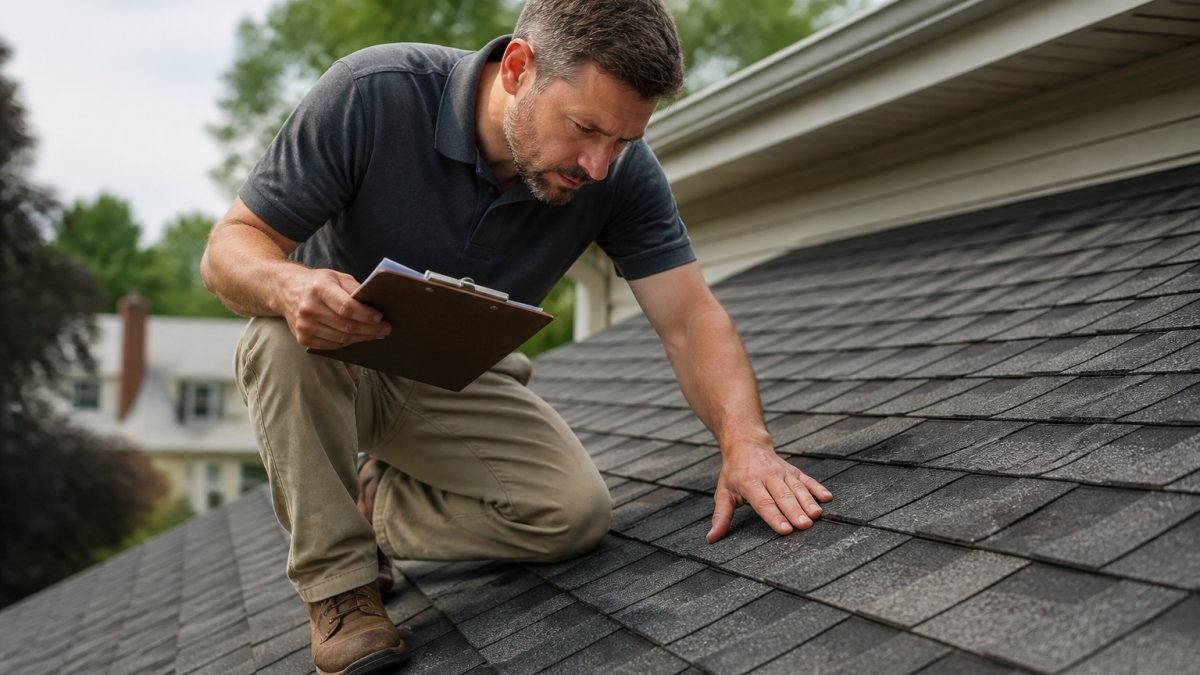
A roof inspection covers the full roofing system, not just the shingles. A certified inspector checks the surface, the flashing, the penetrations, the gutters, the attic ventilation, and the underlying decking.
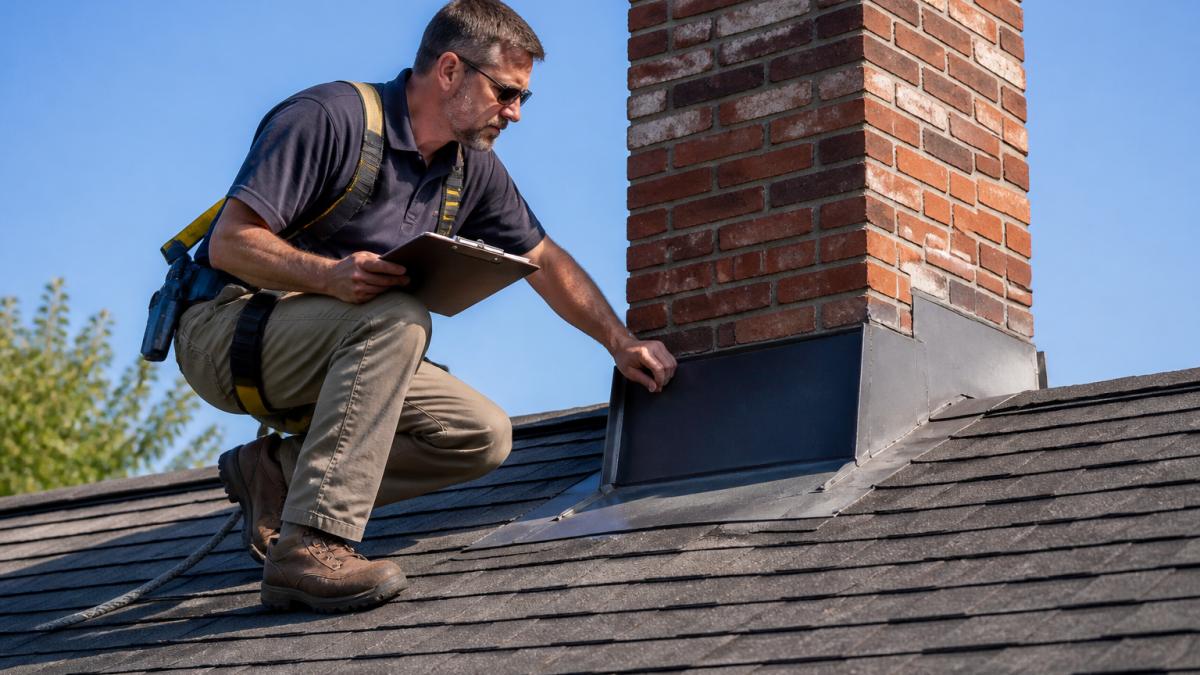
Here's what a written assessment typically documents:
- Roofing materials and overall condition by slope
- Roof age and estimated remaining lifespan
- Signs of damage, leaks, and water intrusion
The report also notes whether the roof was physically walked or inspected another way. A slope-by-slope assessment gives you the clearest picture.
Which Roofing Inspection Requirements Are Legally Required to Sell?
Start with the distinction most guides blur: there are three separate layers of "requirement," and only one of them is law.
- Legal requirements, state and local statutes, ordinances, and administrative rules that apply to the transfer of residential property.
- Lender and insurer conditions, contractual conditions imposed by the buyer's mortgage lender or homeowners insurance carrier. These are not laws, but they can block financing or coverage, which stalls the sale just as effectively.
- Buyer requests, negotiated asks made during the inspection contingency period. These are optional until you agree to them in writing.
No federal statute requires a roof inspection before a residential sale. What is regulated at the federal level is disclosure of known lead-based paint hazards in pre-1978 housing under the Residential Lead-Based Paint Hazard Reduction Act, and that is a separate obligation from roof condition (the EPA).
What Is Actually Required by Law
The legal obligation that touches roofs in nearly every state is seller disclosure of known material defects. A roof leak, active water intrusion, or structural deterioration is almost universally considered a material defect. The duty is triggered by knowledge, not by condition, a roof in poor shape that you have never inspected and know nothing about is treated differently from a roof you know leaks.
A smaller number of states and localities layer on additional requirements, such as:
- Point-of-sale inspection ordinances in some municipalities, which can require a certificate of occupancy or a code-compliance inspection before transfer.
- Permit finalization rules, which require open permits to be closed before a property can be conveyed or refinanced.
- Condominium and HOA governing documents, which are private contracts but are enforceable and can require roof certifications or assessments before a unit sells.
How to Verify What Applies to Your Property
Do not rely on a general article, including this one, for your jurisdiction's rules. Verify in this order:
- Your state's real estate commission or department of licensing. Most publish the statutory seller disclosure form and the list of material defects that must be disclosed.
- Your county or municipal building department. Ask specifically whether a point-of-sale inspection, certificate of occupancy, or permit finalization is required before transfer.
- Your HOA or condo association. Request the governing documents and any current rules on roof certifications or pre-sale inspections.
- Your closing attorney or title company. In several states, an attorney handles the closing and will flag any statutory disclosure or point-of-sale requirement that applies.
State real estate commission directory
The Practical Takeaway for Sellers
You are almost never legally required to obtain a roof inspection. You are legally required to disclose what you know. That means the safest posture is to know more, not less: a pre-listing inspection converts unknowns into documented facts, which makes your disclosure accurate and defensible. If you skip the inspection and a buyer later discovers a leak you should have known about, the exposure is not a failed inspection, it is a misrepresentation claim after closing.
Permits and Code Compliance
Unpermitted roof work is one of the most common surprises in a sale. If a prior owner replaced a roof without a permit, or a repair was never finaled, the buyer's inspector or the title search may surface it. Two things follow:
- Open permits typically must be closed before closing, which can require a re-inspection by the local building department.
- Unpermitted work may need to be permitted retroactively, which can mean opening up finished areas for inspection or, in some cases, removing and redoing the work.
Before listing, pull the permit history on your property from the local building department. It is usually a public record and often available online. If you find a gap, resolve it before you go under contract, not during the contingency period, when you have the least leverage.
Roof Certification for Home Sale: When You Need One and How to Get It
A roof certification is a written statement from a licensed roofing contractor confirming the roof's condition and remaining lifespan. You need one when a lender, insurer, or buyer requests it, often on older roofs.
Getting one is straightforward:
- Hire a licensed roofing contractor or certified inspector
- Schedule a physical roof inspection
- Receive the written assessment with photos
- Deliver the certification to the buyer or lender
Certifications usually cover a set period, so timing matters. Get yours close to listing, not months early.
Roof Repair Negotiation After Inspection: How to Handle Findings
Once the buyer's inspection report lands, you have a defined window, usually set by the inspection contingency in the purchase contract, to respond. The negotiation is not about whether the roof is imperfect. It is about who absorbs the cost and how the resolution is documented.
Read the Buyer's Report Before You Respond
Buyers' inspection reports vary widely in quality. Before you agree to anything, separate the findings into three buckets:
- Safety and active water intrusion, active leaks, exposed decking, compromised flashing. These are the findings that most reliably kill financing and insurance. Expect them to be non-negotiable.
- Deferred maintenance, worn shingles, clogged gutters, aging but functional components. These are negotiable and often overstated in buyer reports.
- Cosmetic or speculative items, discoloration, minor granule loss, "recommend further evaluation" language. These are frequently used as leverage rather than as genuine defects.
A common pattern is that the buyer's inspector flags more than the roof actually requires, because inspectors are trained to report anything that could become a problem. Your pre-listing inspection is your counter-document. If your report shows the same roof in better condition, you have a factual basis to push back.
Your Four Response Options
| Option | Best For | Trade-off |
|---|---|---|
| Repair credit at closing | Fast closings, tight timelines, buyers who want to control the work | You lose control over repair quality; the credit is negotiated against the buyer's estimate, not yours |
| Complete the repair before closing | Sellers wanting top price and a clean file | Longer timeline, upfront cost, and you must use a licensed contractor and pull permits |
| Price reduction | Major re-roofing needed and you want to avoid the project entirely | Lowers your net proceeds and may reset the buyer's appraisal |
| Decline and hold firm | Findings are cosmetic or speculative and your documentation supports your position | Risk of losing the buyer if the market is soft or the finding is genuinely material |
A hybrid is common: complete the safety-critical repairs yourself and offer a credit for the deferred-maintenance items. This resolves the lender's and insurer's concerns while capping your out-of-pocket cost.
How Findings Interact With Your Disclosure
This is the part sellers miss. Anything you learn from the buyer's inspection, or from your own pre-listing inspection, becomes known to you. In most states, that knowledge can trigger a duty to update your seller disclosure, even after you have already delivered it.
Practically, that means:
- If you disclose a known roof defect up front and price accordingly, the buyer's inspection finding is not a surprise and carries less negotiating weight.
- If you did not disclose a defect you knew about, the buyer's finding becomes a misrepresentation issue, not just a repair issue.
- If you complete a repair, document it with the contractor's invoice, the permit number, and dated photos. That documentation goes into the closing file and protects you after the sale.
Documenting the Resolution
Whatever you agree to, put it in a written amendment to the purchase contract that specifies:
- The exact scope of work, by line item, not a lump-sum description
- Who performs the work and their license number
- Whether permits will be pulled and who pays for them
Without a written scope, a repair credit becomes an open-ended obligation. Buyers have been known to return after work begins and ask for more once the contractor opens up the roof and finds additional issues.
When to Walk Away
If the buyer's demands exceed the actual condition of the roof, for example, demanding a full replacement on a roof with years of remaining lifespan, and your documentation supports your position, declining is a legitimate option. The right call depends on your market, your timeline, and how much you need this particular buyer. In a seller's market, holding firm is often viable.
Step-by-Step Seller Timeline: From Listing Through Closing
A roofing inspection timeline keeps your sale on track. Here's the sequence we recommend to sellers:
- Pre-listing (4-6 weeks out): Get a pre-listing roof inspection and fix urgent issues.
- Listing: Disclose known roof defects in your seller disclosure.
- Under contract: Buyer schedules their own inspection, often within 10 days.
- Inspection findings: Review the report and request repair recommendations.
- Negotiation: Agree on a credit, price cut, or completed repair.
- Repair and re-inspection: Licensed contractor completes work, then a final inspection confirms it.
- Closing: Provide documentation, permits, and certification if required.
Keep every receipt, permit, and condition photo. Documentation is what closes deals.
How to Choose and Verify a Roof Inspector for Your Sale
Choosing the right inspector protects your sale. A general home inspector can flag roof issues, but a licensed roofing contractor gives you a deeper, slope-by-slope assessment.
Vetting checklist:
- Confirm state licensing and insurance
- Ask whether the roof is physically walked or drone-inspected
- Request sample inspection reports with condition photos
For a sale, a licensed roofing contractor can provide a detailed assessment.
Frequently Asked Questions
Do you need a roof inspection to sell a house?
No federal or state law requires a roof inspection to sell a house. However, most buyers will hire a general home inspector who evaluates the roof as part of a standard inspection. If the buyer is using a mortgage, the lender may require a roof certification if the appraiser flags the roof's age or condition. Many sellers order a pre-listing roofing inspection voluntarily to catch problems early and avoid surprises during negotiation.
What is a roof certification, and how long does it last?
A roof certification is a written assessment from a licensed roofing contractor stating the roof's condition and estimated remaining lifespan, typically at least two to five years. Lenders often request one when the roof is older or shows wear. Certifications generally last one to five years depending on the contractor and lender requirements. Some certifications include minor repairs to bring the roof up to insurable condition.
Can a buyer require roof repairs after an inspection?
A buyer can request roof repairs after an inspection, but you are not legally obligated to perform them unless your contract requires it. Common outcomes include the seller paying for repairs, offering a credit at closing, or reducing the sale price. If the roof has active leaks or fails to meet lender requirements, refusing all repairs may cause the buyer to walk away or the loan to fall through.
How long does a roof inspection take, and what does it cost?
A standard roof inspection takes one to two hours depending on roof size, slope, and accessibility. Inspectors may walk the roof, use a drone or infrared scanner, and check attic ventilation and flashing. Inspection costs vary by region and roof complexity, so request a quote from a licensed roofing contractor. A thorough inspection report with condition photos helps you plan repairs and negotiate from a position of knowledge.
A failing roof can derail a sale at the worst possible moment. At Taylor-Made Roofing, we provide quality roofing solutions, flexible financing through the PACE Program, Home Run Financing, and Enhancify, and the documentation buyers and lenders trust. Contact us to schedule your pre-listing roof inspection and keep your closing on schedule.