 ultimate-guide
Roofing Materials Price Guide 2026
Table of Contents
- Roofing Materials Price Overview for 2026
- Understanding Roofing Material Cost Per Square Foot
- Asphalt Shingle Roof Cost and Affordability
- Metal Roof Cost and Long-Term Value
- Cheapest Roofing Materials and Budget Options
- Factors That Affect Your Roofing Material Costs
- How to Evaluate Roofing Estimates and Get the Best Value
- Frequently Asked Questions
Last Updated: October 11, 2026
Roofing Materials Price Overview for 2026
Understanding roofing materials price is essential when planning a roof replacement. The cost varies significantly based on material type, quality level, and installation complexity. This guide breaks down the current pricing landscape and what affects your total roofing project cost.
Roof size, pitch complexity, local labor rates, regional climate conditions, and tear-off requirements all influence your final estimate.
Understanding Roofing Material Cost Per Square Foot
Roofing material cost per square foot is the standard metric contractors use to price installations. One roofing square equals 100 square feet. However, this metric alone doesn't reveal what's included in the price, a critical gap that leads to bid confusion and unexpected costs.
What's Included in Per-Square-Foot Pricing
When a contractor quotes a price per square foot, clarify exactly what's included. Some quote material-only pricing; others include labor, tear-off, disposal, underlayment, and flashing.
A transparent estimate breaks down costs into:
- Material cost per square foot (shingles, metal panels, or other material)
- Underlayment and fasteners
- Labor cost per square foot
- Tear-off and disposal (often $1-$2 per square foot)
Asking contractors to itemize these separately prevents sticker shock and allows true apples-to-apples comparison. A quote that appears $2 per square foot cheaper may exclude tear-off entirely, shifting that cost to you later.
How Roof Complexity Adjusts Per-Square-Foot Costs
Your roof's actual complexity often increases the effective per-square-foot cost beyond the base material rate.
Pitch and slope directly affect installation speed and safety.
Valleys and transitions require custom cutting and fitting, adding material waste and labor time.
Penetrations (chimneys, skylights, vents, exhaust pipes) require flashing and sealing.
Existing roof layers and structural condition affect tear-off complexity.
Material vs. Labor Cost Breakdown
Material costs typically represent 40-60% of total project cost, with labor making up the remainder. Premium materials like slate shift toward higher material costs (60-70% material, 30-40% labor), while asphalt shingles keep material costs lower (35-45% material, 55-65% labor).
Labor costs depend on roof complexity, local wage rates, crew experience, and tear-off requirements. Removing an old roof adds 20-40% to labor time and $0.50-$2.00 per square foot in disposal fees.
Asphalt Shingle Roof Cost and Affordability
Asphalt shingles remain the most affordable roofing material option for residential homes. Installed cost depends on shingle quality grade and local installation rates.
Standard vs. Premium Shingle Options
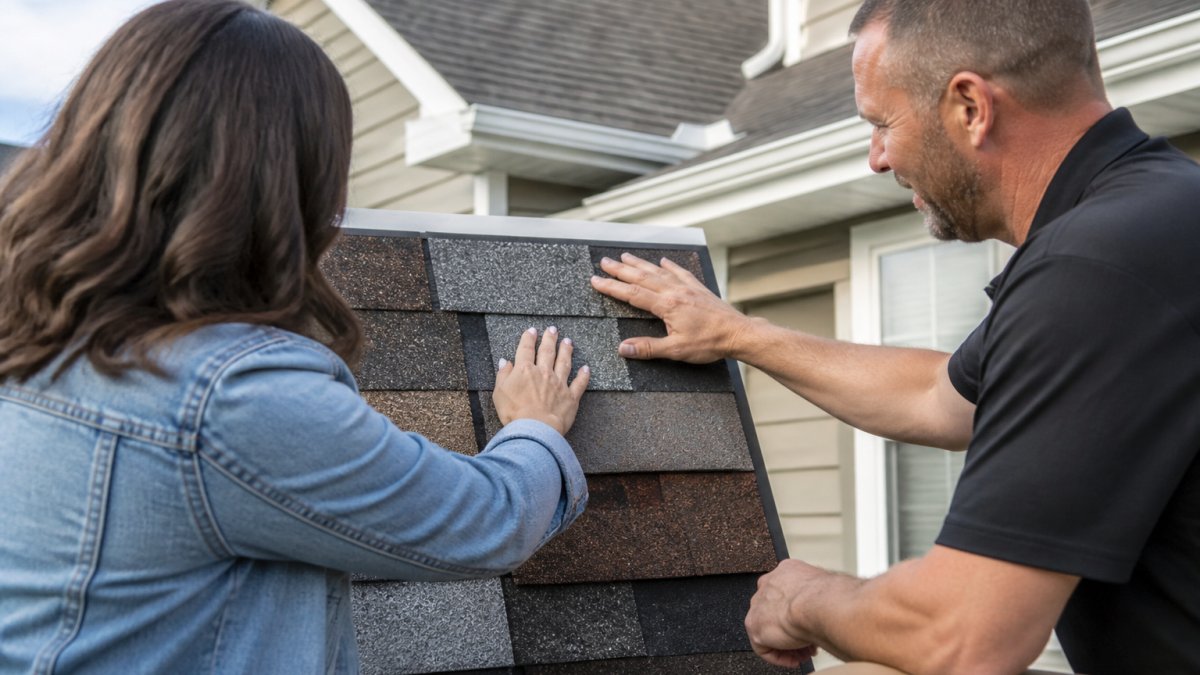
Three-tab shingles are the cheapest option; architectural shingles cost more but offer better durability and curb appeal. Premium shingles with impact resistance may reduce insurance costs in some regions. Many homeowners find architectural shingles offer the best balance of affordability and appearance.
Durability and Expected Lifespan
Standard asphalt shingles last 15-20 years; premium architectural shingles reach 25-30 years. Climate significantly impacts lifespan. Most shingles come with 20-year warranties covering defects; some premium products offer lifetime warranties.
Metal Roof Cost and Long-Term Value
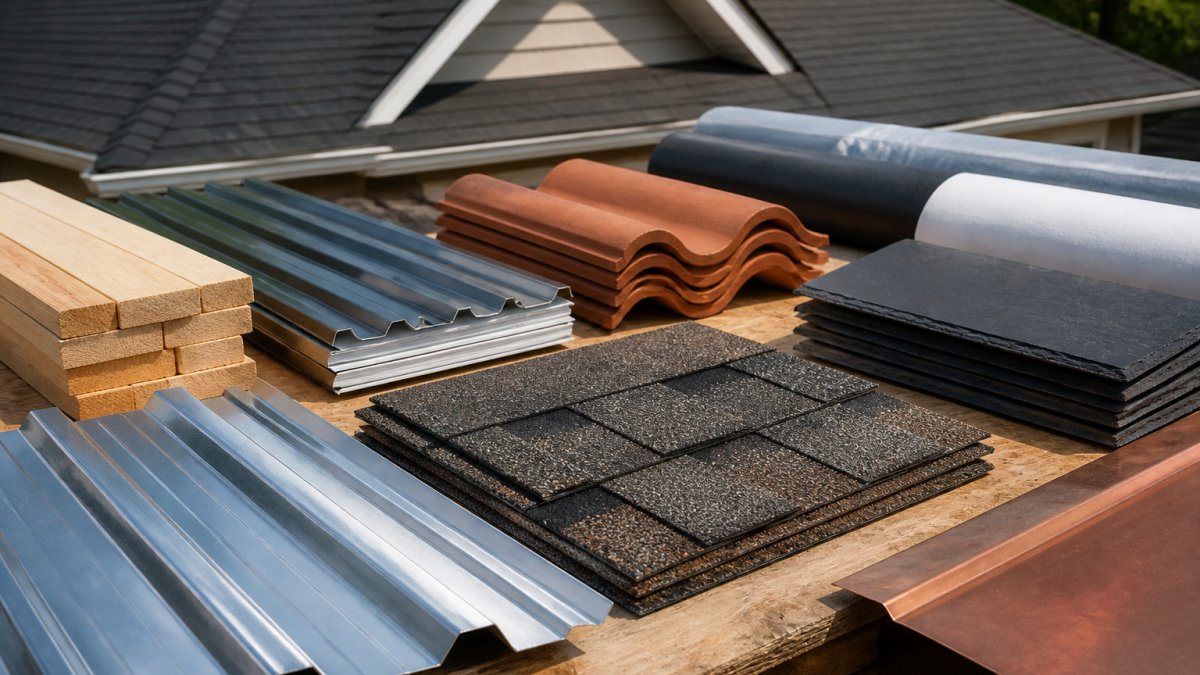
Metal roofing materials price higher upfront than asphalt shingles, but long-term value often justifies the investment. Metal roofs last 40-70 years, dramatically reducing replacement frequency.
Installation Costs and Material Pricing
Standing seam metal roofs are the most common residential option. Installation requires specialized skills commanding premium labor rates. Corrugated metal panels and metal shingles offer lower-cost alternatives. Metal roofing materials price varies by type; aluminum costs less than copper or zinc, but all significantly outlast asphalt shingles.
Lifecycle Cost Comparison
Over 50 years, metal roofing often costs less per year than replacing asphalt shingles multiple times. Reflective coatings reduce cooling costs. Insurance discounts for fire resistance and durability can offset higher initial material costs.
Cheapest Roofing Materials and Budget Options
When budget is the primary constraint, rolled roofing and membrane systems offer the lowest cost options for specific applications.
Rolled Roofing and Membrane Systems
Rolled roofing is the cheapest material available for low-slope or flat roofs, lasting 5-10 years. Modified bitumen and EPDM membrane systems cost more but last longer and perform better in extreme weather.
Tile and Slate Roofing Premium Costs
Tile and slate cost 3-5 times more than asphalt shingles and require specialized installation. These materials last 50-100+ years. Tile and slate roofing materials price reflects structural requirements to support their weight, including reinforced framing and specialized fastening systems.
Factors That Affect Your Roofing Material Costs
Multiple variables beyond material type influence your final roofing materials price. Understanding these factors helps you anticipate realistic quotes and identify where you might save money without compromising quality.
Roof Complexity, Pitch, and Tear-Off Requirements
Roof complexity directly impacts labor costs and material waste. Roofs with multiple valleys, dormers, skylights, or chimneys require more cutting and fitting. Tear-off requirements significantly affect total project cost. Always clarify whether your estimate includes tear-off or assumes installation over an existing roof.
Climate, Local Codes, and Regional Variation
Regional climate determines which materials perform best and which building codes apply. Heavy snow loads, high-wind zones, and salt-air coastal regions require specific materials, affecting roofing materials price significantly. Local building codes specify minimum requirements; contractor familiarity with codes and material availability varies by region.
Insurance and Warranty Considerations
Insurance discounts for impact-resistant materials can reduce long-term cost. Homeowners in hail-prone areas may save 10-20% on premiums by choosing Class 4 impact-rated shingles. Warranty coverage varies by product and manufacturer; extended warranties add to material cost but provide protection against premature failure.
How to Evaluate Roofing Estimates and Get the Best Value
Comparing roofing estimates requires understanding what's included, how contractors calculate roofing materials price, and how your roof's specific conditions affect the bid.
What to Look for in a Contractor Quote
A complete roofing estimate should specify the exact material brand and grade, the roofing square footage, whether tear-off is included, disposal costs, labor rates, and any additional fees.
Request itemized breakdowns showing:
- Material cost per square foot (with specific product name and warranty)
- Labor cost per square foot (and whether this accounts for your roof's pitch and complexity)
- Tear-off and disposal (quoted separately so you can see the true cost)
- Underlayment, flashing, and penetration work (often underestimated or bundled vaguely)
This transparency lets you see where price differences originate. The lowest bid isn't always the best value if it excludes necessary work like tear-off, uses lower-grade materials than competitors, or assumes a simpler roof than you actually have.
Red Flags in Contractor Language and Pricing
Certain phrases in estimates signal incomplete scope or hidden costs:
"Subject to site inspection", The contractor hasn't seen your roof in person. Prices quoted without a roof inspection often increase after the crew arrives and discovers structural damage, additional layers, or complexity not visible from the ground.
"Tear-off extra" or "disposal not included", These are often quoted separately at inflated rates ($1.50-$3.00 per square foot).
"Warranty void if not professionally maintained", Some manufacturers require annual inspections or gutter cleaning to honor warranties.
"Price good for 30 days", Legitimate contractors stand behind estimates for 60-90 days.
Comparing Bids Across Different Contractors
When you have three to five detailed quotes, look for patterns:
Price range, Quotes that differ by more than 20% warrant investigation. If four contractors bid $12,000-$13,500 and one bids $9,500, the low bid likely excludes tear-off, uses lower-grade materials, or underestimates complexity.
Material choices, Contractors may recommend different shingle grades or metal types. Compare warranties and lifespan, not just price.
Labor cost variation, If labor rates vary significantly between contractors, ask why.
Warranty and guarantees, Compare what each contractor guarantees. Some offer workmanship warranties (labor only) for 5-10 years; others extend to 25 years.
Financing Options and Payment Plans
Many homeowners cannot pay for roof replacement upfront. Flexible financing options make necessary roof work accessible without depleting savings. Common programs include:
Home equity lines of credit (HELOC), Borrow against home equity at variable interest rates, typically 7-10% as of 2026. Flexible repayment but rates can increase.
Personal loans, Fixed-rate unsecured loans from banks or online lenders, typically 8-15% interest depending on credit.
Contractor financing, Many roofing companies partner with financing providers like Enhancify, Sunlight Financial, or GreenSky.
Manufacturer rebates and incentives, Some shingle and metal roofing manufacturers offer $100-$500 rebates for purchasing their products.
Evaluate financing terms carefully before committing. Compare interest rates, repayment periods, and any prepayment penalties.
Frequently Asked Questions
What is the average cost per square foot for roofing materials in 2026?
Roofing material costs vary significantly based on the type you choose. Asphalt shingles are among the most affordable options, while metal, tile, and slate materials command higher per-square-foot prices. The total cost also depends on your roof's size, pitch, complexity, and local labor rates. For an accurate estimate tailored to your specific project, contact a professional contractor for a detailed quote.
How much does an asphalt shingle roof cost compared to metal roofing?
Asphalt shingles typically have a lower upfront material cost per square foot than metal roofing. However, metal roofs often provide superior durability and longevity, which can reduce long-term replacement costs. When evaluating the true cost of each option, consider not just the initial installation price but also how many years of service you'll get before needing another replacement. Metal roofs often outlast asphalt shingles by 20+ years.
What factors affect roofing material prices in 2026?
Several factors influence roofing material costs: roof size and pitch, complexity of the installation, whether a tear-off is needed, local labor rates, regional climate conditions, building codes, and material availability. Steeper roofs and complex designs cost more to install. Regional variation can be significant, costs differ based on local contractor rates and material shipping distances. Insurance requirements and warranty options can also affect your final price.
Which roofing material is the cheapest to install?
Rolled roofing and basic asphalt shingles are typically the cheapest roofing materials to install upfront. However, 'cheapest' doesn't always mean best value. These materials have shorter lifespans (15-25 years) compared to metal or slate roofs (40+ years). Consider the full lifecycle cost, a slightly more expensive material that lasts decades longer may save you money over time by delaying your next replacement.
How do I know if a roofing contractor's quote is fair?
Compare quotes from multiple contractors to identify pricing patterns. A fair quote should clearly break down material costs, labor costs, tear-off fees, and any additional work. Be wary of quotes that are significantly lower than others, they may indicate corner-cutting. Ask contractors about their experience, warranties offered, and whether they're licensed and insured. Request references from recent projects. Understanding what's included in each quote helps you compare apples to apples.
Can I finance a roof replacement if I don't have the money upfront?
Yes, several financing options are available for homeowners without immediate funds. PACE programs, Home Run Financing, and Enhancify are flexible solutions designed to make roof replacement accessible. These programs allow you to spread costs over time. Before committing, understand the terms, interest rates, and how the financing may affect future home sales or refinancing. Discuss your options with your contractor to find a solution that fits your situation.
How much roofing material do I need for my home?
The amount of material needed depends on your roof's total square footage. Roofers measure roofs in 'squares,' where one square equals 100 square feet. A typical 2,000-square-foot home might have a roof area of 2,000-2,500 square feet, depending on pitch and design. Your contractor will measure your roof and calculate exact material quantities. Overordering slightly (5-10%) accounts for waste and future repairs, but your contractor will provide precise estimates.