 ultimate-guide
Book a Professional Roof Inspection in 2026: What to Expect
Table of Contents
- Why Book a Professional Roof Inspection in 2026
- What a Professional Roof Inspection Includes
- How to Book an Inspection: A Step-by-Step Workflow
- Average Cost of Roof Inspection 2026
- Roof Inspection Checklist for Homeowners
- Financing Options for Roof Repairs
- Conclusion: Your Next Steps After the Inspection
- Frequently Asked Questions
Last Updated: October 9, 2026
Why Book a Professional Roof Inspection in 2026
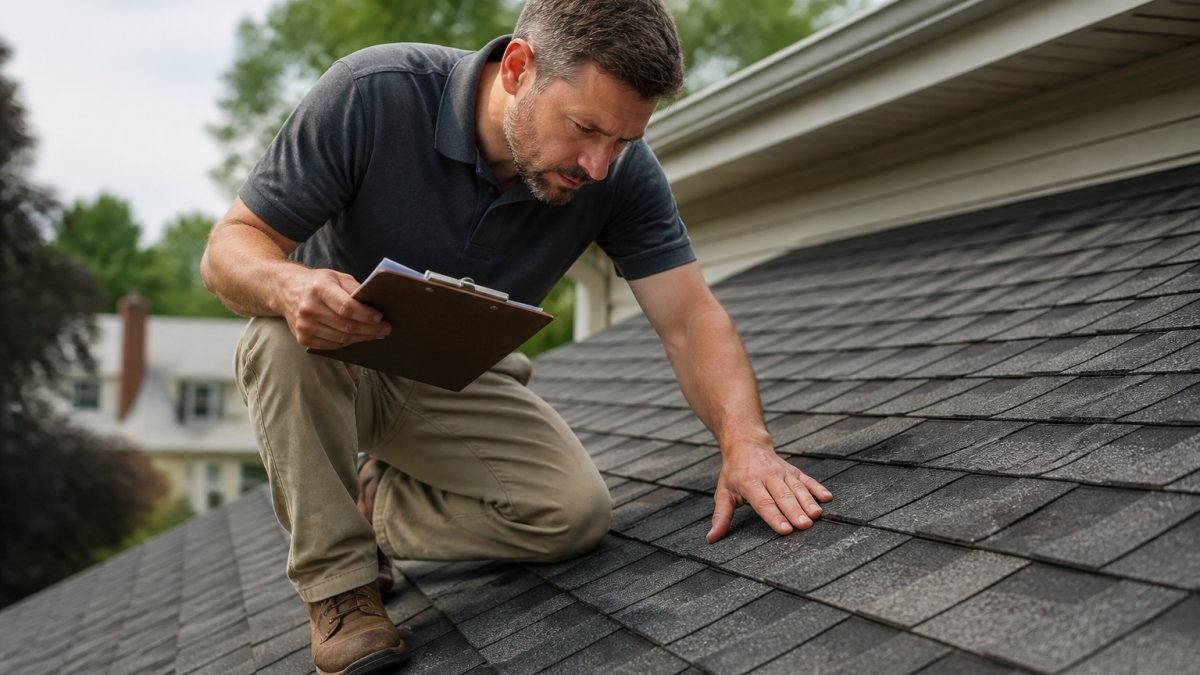
A professional roof inspection is a documented evaluation of your roof's condition, performed by a qualified roof inspector who examines the exterior surface, attic, flashing, gutters, and penetrations before issuing a written report. Below, we'll show you exactly how to book professional roof inspection in 2026, what it costs, and how to vet the person you hire.
Most homeowners wait until water is dripping through a ceiling. That's backwards. A roof rarely fails without warning signs: lifted flashing, granule loss, dark streaks, or daylight in the attic. Catching those early is the difference between a minor repair and a full replacement.
The National Roofing Contractors Association homeowner resources recommends periodic inspections, especially after severe weather, because small failures compound quickly once water reaches the decking.
What a Professional Roof Inspection Includes
A complete inspection covers three zones: the roof surface, the attic, and the exterior drainage system. Skipping any one of them leaves blind spots that show up later as leaks or rot.
Here's what a thorough roof inspection checklist should include:
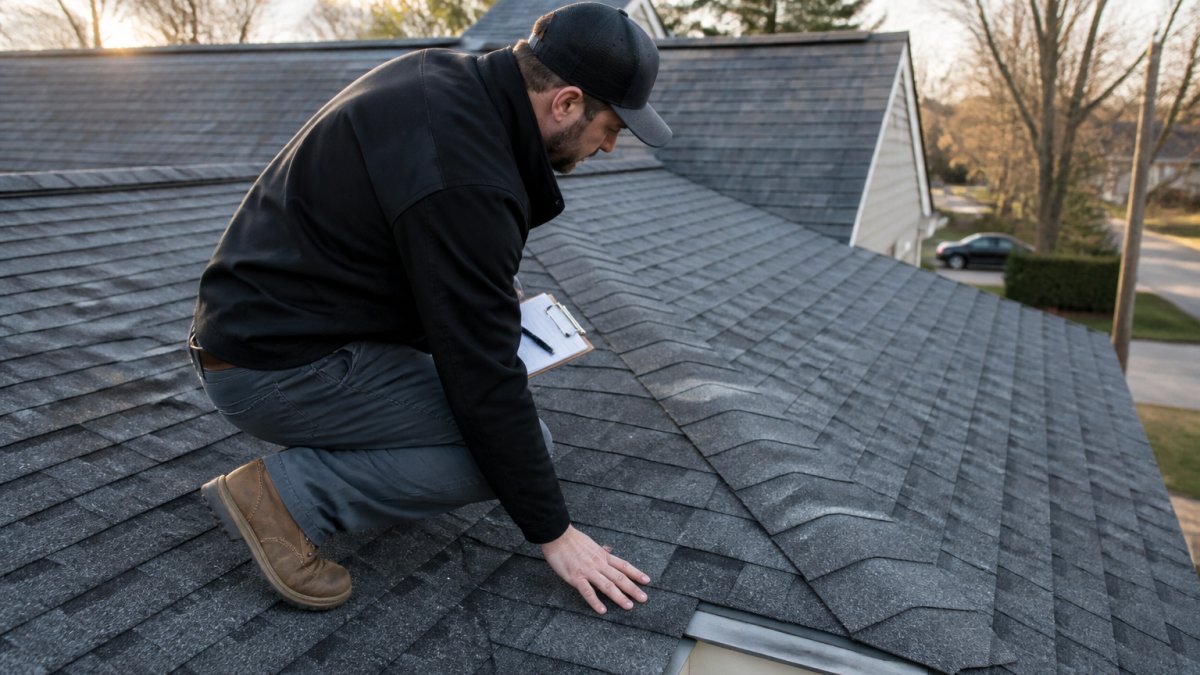
- Surface materials: shingles, tile, or metal checked for cracking, curling, missing pieces, and granule loss
- Flashing: chimney, skylight, and wall flashing examined for separation and corrosion
- Penetrations: vents, pipes, and satellite mounts sealed and intact
- Gutters and downspouts: free of debris, properly sloped, and securely fastened
- Attic inspection: rafters, decking, and insulation checked for staining, dampness, and daylight
- Ventilation: intake and exhaust balanced to prevent moisture buildup
Exterior and Attic Evaluation Points
The attic tells the truth the exterior hides. Staining on rafters, soft decking, or matted insulation points to water that's been entering for months. An inspector who never climbs into the attic is only doing half the job.
Roof slope, roof accessibility, and roof size all shape how long an inspection takes and what it costs. A steep, multi-story roof with limited access takes longer and requires more safety precautions than a low-slope ranch.
How to Book an Inspection: A Step-by-Step Workflow
Booking takes about ten minutes if you know what to ask. The workflow below helps prevent the two most common problems: vague scope and surprise fees.
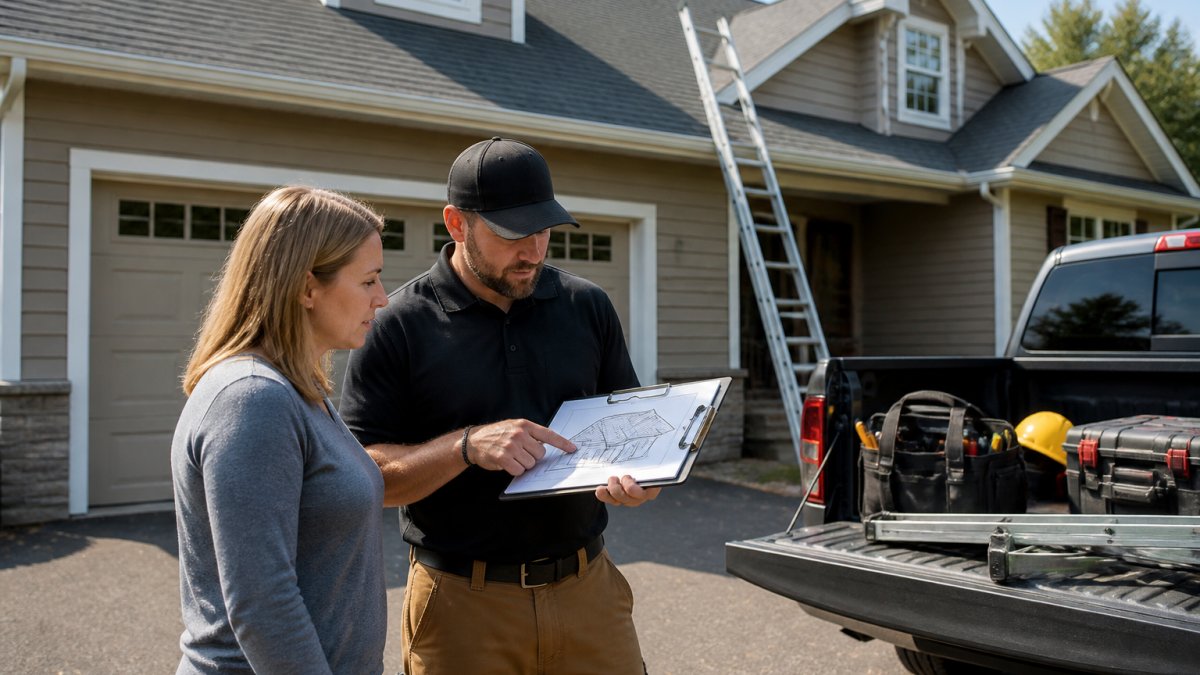
- Confirm the inspection type. Ask whether it's a full on-roof inspection or a satellite roof inspection. Satellite imagery can flag obvious damage but cannot confirm flashing, decking, or attic conditions.
- Ask what the written report includes. You want inspection photos, a roof condition summary, and repair recommendations, not a verbal estimate.
- Schedule the inspection appointment. Give the office your address, roof type, and any known leaks or storm damage.
- Prepare the property. Clear vehicles from the driveway, unlock attic access, and secure pets.
- Walk the findings with the inspector. Ask questions on site while the damage is in front of you.
- Request the written report and cost estimate. Compare repair recommendations against the photos.
Vetting Your Inspector Before You Commit
Credentials matter more than a low inspection fee. Ask three questions before you book:
- Is the company licensed and insured for roofing work in your state?
- Will the inspector document findings with photos and a written report?
- Does the company offer a no-obligation inspection, or is a repair commitment required?
A free inspection is common, but "free" should never mean "no documentation." If a provider won't put findings in writing, you have no baseline for comparing quotes or filing an insurance claim later.
Average Cost of Roof Inspection 2026
Pricing for a roof inspection depends on roof size, slope, accessibility, and whether the attic is included. Because those variables swing so widely, no single figure applies to every home, but you should still walk into the conversation knowing the general bands so you can tell a fair quote from an outlier.
Across the market, standalone residential roof inspections commonly fall in these bands:
| Inspection type | Typical range | What drives the number |
|---|---|---|
| Basic visual / ground-level | $75-$150 | Single-story, simple gable, no attic entry |
| Standard on-roof + attic | $150-$400 | Most single-family homes; includes written report and photos |
| Complex or steep-slope | $400-$700+ | Multi-story, steep pitch, tile or metal, limited access |
| Drone or satellite only | $0-$200 | Fast, but cannot confirm flashing, decking, or attic conditions |
| Real estate / pre-purchase | $300-$600 | Expanded documentation, sometimes with moisture or thermal readings |
| Insurance claim documentation | Often bundled with repair | Frequently free when tied to a repair estimate |
These are market bands, not a quote for your home. A steep, multi-story roof with limited access takes longer and requires more safety precautions than a low-slope ranch, and that time shows up in the price. Add-ons like moisture meters, thermal imaging, or drone photography push the number toward the top of the band.
What actually moves the price:
- Roof size, more square footage means more surface to examine, and pricing often scales with squares rather than a flat fee.
- Roof slope and height, steep or multi-story roofs need extra safety precautions, harnesses, and sometimes a second inspector.
- Accessibility, obstructed, fragile, or heavily landscaped roofs slow the inspection and can require special equipment.
- Inspection type, satellite or drone checks cost less than on-roof work, but they also confirm less.
- Attic access, a full interior evaluation adds time and is where the most useful findings usually come from.
- Add-ons, moisture meters, drone imaging, or thermal scans each add to the base fee.
Many providers offer a free or no-obligation inspection when you're considering repair work, while standalone inspections for real estate or insurance purposes often carry a fee. A free inspection is common, but "free" should never mean "no documentation." If a provider won't put findings in writing, you have no baseline for comparing quotes or filing a claim later.
For current pricing on your specific roof, contact us directly and we'll provide a quote.
Roof Inspection Checklist for Homeowners
Use this checklist to prepare and to sanity-check what your inspector delivers. A roof inspection checklist for homeowners should cover both what you observe and what the professional documents.
- Note any interior water stains, especially on upper-floor ceilings
- Check for granules collecting in gutters or at downspout outlets
- Look for cracked, curling, or missing shingles from the ground
- Inspect flashing around chimneys, vents, and skylights
- Confirm attic access is clear and safe to enter
- Photograph anything that looks wrong before the visit
- Ask for the written report and inspection photos after the visit
- Confirm repair recommendations include a cost estimate
Financing Options for Roof Repairs
Financing options for roof repairs exist precisely because most homeowners don't keep a roof replacement budget sitting in savings. Taylor-Made Roofing offers flexible financing through the PACE Program, Home Run Financing, and Enhancify, so essential repairs don't have to wait on a lump sum.
PACE financing ties repayment to your property tax assessment, which is why sellers sometimes ask how it affects a future sale. That's a fair question, and the answer depends on your lender and your buyer's lender, so raise it before you sign. Enhancify and Home Run Financing work differently, as consumer financing rather than a property assessment. We walk every customer through the terms of each program before they commit, because the wrong structure for your situation is worse than no financing at all.
Conclusion: Your Next Steps After the Inspection
The report is the starting line, not the finish.
Reading the report like a homeowner, not a buyer
A professional report should separate three things: what was observed, what it likely means, and what it will cost to fix. If those are blended into one narrative, ask the inspector to untangle them. Look for:
- Photos with locations, each finding should be tied to a specific area (north slope, chimney flashing, valley), not a generic "some shingles are worn."
- Severity language, terms like "monitor," "repair," and "replace now" should map to a timeline, not just a price.
- A clear distinction between maintenance and failure, granule loss in a gutter is maintenance; missing flashing is a failure.
Separating inspection findings from a sales proposal
An inspection documents condition. A proposal recommends work and prices it. Those are two different documents, and a reputable provider will let you see the first before you're asked to sign the second. If the report and the quote arrive as a single take-it-or-leave-it package, slow down.
A useful test: ask the inspector which findings are urgent, which can wait a season, and which are cosmetic. If everything is urgent, the report is doing sales work, not diagnostic work.
Prioritizing repairs without overpaying
A common pattern is to sort findings into three buckets:
- Active water intrusion, repair now; delay causes decking and insulation damage that costs far more than the original fix.
- Deferred maintenance, schedule within the next 6-12 months; sealant, minor flashing, and gutter work.
- Monitor, note it, photograph it, and re-check at the next inspection.
Get written estimates for the first bucket before authorizing anything. For the second, a single maintenance visit is usually cheaper than three separate service calls.
Insurance, warranty, and real-estate follow-through
If the inspection surfaces storm damage, contact your insurer promptly, most policies require timely reporting, and a dated inspection report with photos is strong supporting documentation. For a home purchase, the report may be requested by your lender or buyer's agent; confirm the format they need before the inspector arrives. For warranty claims, check whether your roof warranty requires documented periodic inspections, since some manufacturer warranties condition coverage on maintenance records.
When you're ready to move from findings to fixes
Review the report, separate urgent repairs from maintenance items, and get a written cost estimate before authorizing any work. Taylor-Made Roofing can help. We provide quality roofing solutions, documented workmanship, and access to flexible financing programs including the PACE Program, Home Run Financing, and Enhancify. Get started with Taylor-Made Roofing and secure your shelter before the next storm finds the weak spot.
Frequently Asked Questions
How much does a typical roof inspection cost in 2026?
The cost of a roof inspection depends on your location, roof size, and accessibility. Some providers offer no-obligation inspections, while others charge a fee that may be credited toward future repair work. Always ask upfront what the written report includes before you book.
What specific items are included in a professional roof inspection checklist?
A professional roof inspection checklist covers shingles, flashing, gutters, ventilation, roof penetrations, and the attic. Inspectors also check for leaks, water damage, and storm damage. A thorough inspection should include inspection photos and a written report with repair recommendations and a cost estimate. Ask for a sample report before booking.
How often should I book a professional roof inspection to maintain my warranty?
Some roofing material warranties may recommend periodic inspections, especially after any major storm. It's advisable to schedule inspections to catch small issues before they become expensive repairs, and always keep the written report for your records.
Does a professional roof inspection include a written report for insurance purposes?
A thorough inspection should include a written report with inspection photos and a summary of roof condition. For insurance claims, ask the inspector to document storm damage and roof lifespan estimates. Confirm what type of report will be provided when you book. This documentation is also valuable for real estate transactions and warranty claims.
How can I use financing options for roof repairs after an inspection?
If your inspection reveals needed repairs, ask your roofing contractor about financing options for roof repairs. Programs like PACE, Home Run Financing, and Enhancify help homeowners spread costs over time. PACE is tied to your property tax assessment, while Enhancify and Home Run work like traditional loans. Ask how each option affects your ability to sell your home.