 Ultimate guide
Is Roof Replacement Worth the Investment for Your Home?
Last Updated: November 2, 2026
Quick Summary
Roof replacement is worth the investment when your roof is near the end of its service life, since a new roof prevents water damage to decking and insulation that often costs more than the roof itself. A new roof also removes a major buyer objection at resale, though it is not a guaranteed dollar-for-dollar return.
- Repair money is often wasted if the roof is within a few years of its expected lifespan.
- Two or more repairs in a few years signals a failing roofing system, not a single flaw.
- A new roof supports home value mainly through marketability and buyer confidence.
- Most homeowners policies cover storm damage but not wear and tear or deferred maintenance.
- Compare financing offers on APR and full repayment amount, not just the monthly payment.
Table of Contents
- The Real Case for Roof Replacement: What You Gain and What You Risk
- Roof Replacement vs. Repair: How to Decide
- Does a New Roof Increase Home Value?
- Average Cost of Roof Replacement in 2026 and What Drives the Price
- How Long Does a Roof Last? Lifespan by Material and Climate
- Signs Your Roof Needs Replacement Now, Not Later
- Financing, Insurance, and Warranties: Making the Investment Work
- Getting a Roof Replacement Quote from Taylor-Made Roofing
- Frequently Asked Questions
The Real Case for Roof Replacement: What You Gain and What You Risk
Is roof replacement worth the investment? The honest answer is that it depends on three things: your roof's condition, how long you plan to stay in the home, and what a new roof prevents. The calculation is rarely as simple as comparing a quote to a resale figure.
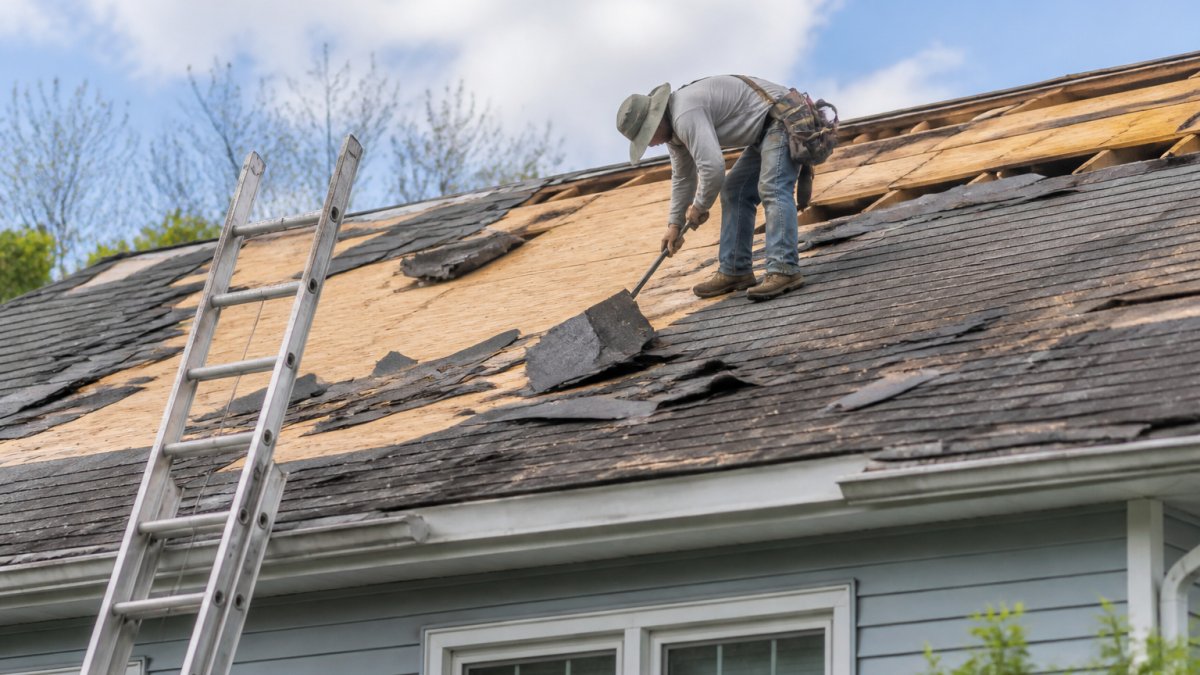
A roof replacement is the full tear-off and installation of a new roofing system, including underlayment, flashing, and ventilation, rather than patching a section. What you gain is predictable: a watertight barrier over your home, a fresh manufacturer warranty, and curb appeal that shows from the street. What you risk by waiting is the expensive part. A failing roof lets water into decking and insulation, and those repairs often cost more than the roof itself.
The case for replacing now rests on avoided damage, not just aesthetics. A roof past its service life still looks acceptable on a dry day. It fails on the day it matters.
Roof Replacement vs. Repair: How to Decide
Repair is the right call when damage is isolated and the roof has meaningful service life left. Full replacement wins when problems are widespread, the roof is near the end of its lifespan, or repairs keep recurring.
Here is the framework we use with homeowners:
- Age and lifespan: If the roof is within a few years of its expected lifespan, repair money is often wasted.
- Damage extent: One damaged slope is a repair. Curling shingles across multiple slopes point to replacement.
- Repair frequency: Two or more repairs in a few years signals a system that is failing, not a single flaw.
- Decking condition: Soft spots or water stains in the attic suggest damage beneath the shingles.
A common mistake is patching a roof that has already lost its granules and seal. The patch holds for a season, then the next storm finds a new weak point. Repair frequency is the clearest signal that you are delaying the inevitable.
Does a New Roof Increase Home Value?
A new roof can support home value mainly through marketability and buyer confidence, not a guaranteed dollar-for-dollar return. Buyers and inspectors often treat a roof at the end of its life as a negotiation point.
Resale value improves because the biggest objection in a home sale disappears. To understand how an old roof affects home sales and whether replacing pays off, read our seller's guide.
Average Cost of Roof Replacement in 2026 and What Drives the Price
Roof replacement cost varies widely. Pricing depends on the components below, and the best way to get a real figure is a written, itemized quote for your own roof. Taylor-Made Roofing's current pricing is available on our website or by requesting a quote.
The factors that move the number most, and roughly how they move it:
- Roof size (squares): Roofing is priced per "square" (100 square feet of roof surface). A larger footprint multiplies every other cost line, so square count is the first thing a contractor measures.
- Roof pitch and complexity: Steep roofs, multiple valleys, dormers, and skylights slow installation and require more flashing detail. Complex roofs can add a meaningful premium over a simple gable because labor hours climb faster than material cost.
- Roofing materials: Material choice affects the total cost of the project.
- Tear-off and disposal: Removing one layer is standard; removing two or three layers, or a layover versus a full tear-off, changes labor and dumpster/disposal cost. A layover is cheaper upfront but can shorten the new roof's life and complicate future work.
- Decking and structure: Rotted roof decking, fascia, or framing is discovered once the roof is open.
- Ventilation and flashing: Proper intake and exhaust ventilation, plus new flashing at chimneys, walls, and valleys, protects the investment.
- Labor market and season: Labor rates vary by region and by demand; storm season and busy spring/summer schedules can push pricing up.
A simple way to frame the payback
Instead of comparing a quote to a resale figure, build a rough payback picture from four inputs:
- Project cost, the itemized quote, not the lump sum.
- Avoided near-term repairs, if you would otherwise spend on patching, leak repair, and interior water damage over the next few years, subtract that from the effective cost.
- Resale or refinance benefit, a new roof removes a buyer objection and can support a higher asking price or smoother appraisal, but it is not a guaranteed dollar-for-dollar return.
- Time horizon, the longer you stay, the more the annualized cost drops and the more energy and avoided-damage savings accumulate.
Run two scenarios side by side: replace now at the quoted price, versus repair and defer. In most cases where the roof is near the end of its service life, the deferral scenario quietly adds repair costs, interior damage risk, and a discounted sale price later, which is why the "cheaper" option often is not.
How Long Does a Roof Last? Lifespan by Material and Climate
Roof lifespan depends on material, installation quality, and climate. Asphalt shingles typically last the shortest of the common options, metal roofing lasts considerably longer, and tile systems longer still. Heat, freeze-thaw cycles, and storm exposure shorten any roof's service life.
| Material | Typical Lifespan | Best For |
|---|---|---|
| Asphalt shingles | Shortest of common options | Budget-conscious replacements |
| Metal roofing | Long service life | Storm and heat exposure |
| Tile and premium systems | Longest | Long-term ownership |
Roof age is not the only clock. A well-ventilated roof in a mild climate outlasts a poorly ventilated one in a harsh climate, even with identical shingles. Ventilation and attic temperature matter as much as the material label on the bundle.
Signs Your Roof Needs Replacement Now, Not Later
The clearest warning signs are curling shingles, granule loss in gutters, missing shingles after storms, and water stains on ceilings or attic decking. Any one of these warrants a professional roof inspection.
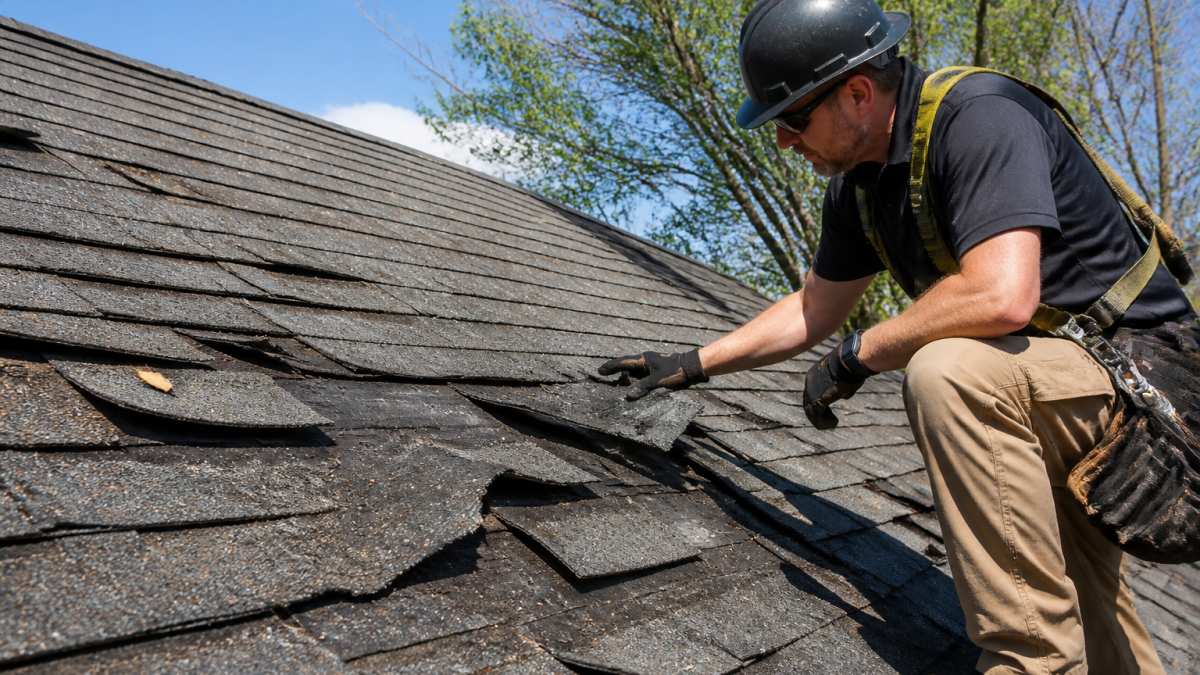
Roof damage rarely announces itself. It shows up as small clues: shingles that curl at the edges, granules collecting at downspouts, daylight in the attic, or a leak that appears only in heavy rain. Roof leaks often travel, so the stain on your ceiling may sit far from the actual breach.
Watch out: a roof that is "not leaking yet" can still be failing. Water damage and rotted decking build quietly under an intact-looking surface. If you want a fuller checklist, our article on the warning signs your roof needs replacing walks through each one.
Financing, Insurance, and Warranties: Making the Investment Work
Three financial tools decide whether a roof replacement is affordable and how much of the cost you actually recover: insurance, warranties, and financing. Each works differently, and confusing them is a common and expensive mistake.
What homeowners insurance may, and may not, cover
Most homeowners policies are built around sudden, accidental damage, not age or wear. In practice that means:
- Typically covered: damage from a covered peril such as hail, wind, fallen limbs, or fire, subject to your deductible and policy terms.
- Typically not covered: wear and tear, granule loss from age, curling or fading shingles, and leaks caused by deferred maintenance.
- The gray zone: a roof that was already near the end of its life when a storm hit. Insurers may apply depreciation and pay actual cash value rather than full replacement cost, so the check can be smaller than the quote.
Document storm damage promptly, photos, dates, and a contractor's written assessment, and read your policy's replacement-cost versus actual-cash-value provisions before you assume a claim will cover the job. Filing a claim also has long-term implications for your premium, so it is worth a conversation with your agent before you file.
Workmanship versus material warranties
These are two different promises and they are not interchangeable:
- Manufacturer (material) warranty covers defects in the shingles or roofing product itself. It is typically prorated over time and may be limited or voided by improper installation or poor ventilation.
- Workmanship (installation) warranty covers the contractor's labor and installation errors, the leaks caused by bad flashing, missed fasteners, or improper underlayment. This is the warranty that protects you in the first years after installation, and its length and transferability vary widely by contractor.
Ask for both in writing, confirm whether they transfer to a new owner (important if you may sell), and check what voids them. A strong material warranty paired with a weak workmanship warranty leaves you exposed.
How financing changes the math
Financing turns a large one-time cost into a monthly payment, but the total you pay depends on the rate, term, and fees. Compare offers on the annual percentage rate (APR), not just the monthly payment, and ask whether there are prepayment penalties or origination fees. A longer term lowers the payment but raises total interest, which erodes the return on the investment.
Taylor-Made Roofing offers financing options through the PACE Program, Home Run Financing, and Enhancify.
Getting a Roof Replacement Quote from Taylor-Made Roofing
A useful quote is itemized, not a single lump sum. Ask for tear-off, underlayment, decking allowances, ventilation, flashing, and warranty terms listed separately, then compare quotes line by line. Our guide on how to compare roofing contractor quotes walks through each step before you commit.
When quotes come back all over the place, the difference is usually scope, not greed. One contractor prices a tear-off to the deck; another prices a layover. One includes ventilation; another does not. Comparing totals without comparing scope is how homeowners get surprised later.
The decision comes down to condition, timing, and what you can protect. If your roof is near the end of its service life, replacing it on your schedule beats repairing it on a storm's schedule. Taylor-Made Roofing offers flexible financing programs including PACE, Home Run Financing, and Enhancify. Contact Taylor-Made Roofing to discuss your roof and protect your home.
Frequently Asked Questions
Does a new roof add value to a home?
A new roof can add value by improving curb appeal and reducing buyer hesitation. A roof replacement also removes a major negotiating point for buyers who might otherwise demand a credit. For sellers, a new roof can shorten time on market and increase buyer confidence.
When should you replace a roof instead of repairing it?
Replace when the roof is near the end of its expected lifespan, when damage covers a large area, or when leaks have caused or could cause structural problems. Multiple leaks, widespread curling shingles, and repeated repair frequency also point toward replacement.
Can I still claim a tax credit for roof replacement in 2026?
Tax credits for roof replacement may depend on the products used and can change over time. Check current IRS guidelines or consult a tax professional before assuming you qualify. State and local incentives may also exist. Keep all receipts and manufacturer certifications if you plan to claim a credit.
How much does it cost to replace a roof on a 2,300-square-foot house?
The cost depends on roof size, pitch, material, labor, and local rates. Asphalt shingles are typically the most affordable option, while metal and tile cost more. For a 2,300-square-foot home, expect the roof area to be larger than the home's footprint due to slope and overhangs. Request a written estimate from a qualified contractor who can measure your roof and account for tear-off, underlayment, and ventilation. For current pricing, contact Taylor-Made Roofing.