 How-to
Does an Old Roof Affect Home Sale? What Sellers Need to Know
Table of Contents
- How an Old Roof Affects Your Home Sale
- Should I Replace My Roof Before Selling My House?
- Roof Repair Before Selling a House
- What an Old Roof Home Inspection Actually Reveals
- Disclosing Roof Problems When Selling a House
- Insurance and Financing: Why Buyers Walk Away From Old Roofs
- Frequently Asked Questions
Last Updated: October 16, 2026
How an Old Roof Affects Your Home Sale
An old roof home sale can slow down or even sink, and the reason is rarely the roof itself. It's what the roof signals to buyers, inspectors, and lenders. So does an old roof affect a home sale? Yes, but usually through three channels: buyer perception, inspection findings, and financing rules.
The first thing to understand is that age and condition are not the same thing.
Roof Age vs. Actual Condition
Roof age is a number. Roof condition is what that roof can actually still do. A 20-year-old asphalt shingle roof that's been maintained may outperform a 12-year-old roof that's missing shingles and flashing. Buyers and inspectors care about remaining useful life, not the calendar.
Here's how the two usually compare:
| Factor | Roof Age | Roof Condition |
|---|---|---|
| What it measures | Years since installation | Current ability to shed water |
| Who checks it | Buyers, lenders, insurers | Home inspector, roofer |
| Red flags | Past expected lifespan | Leaks, missing shingles, soft spots |
| Fix | Replace or disclose | Repair, patch, or replace |
A roof that's old but sound is a negotiating point. A roof that's old and failing is a repair bill.
Should I Replace My Roof Before Selling My House?
Not always. Replacing before you sell makes sense when the roof is actively failing, when your local market is slow, or when buyers are using financing that won't approve a worn roof. It rarely makes sense if the roof has years left and the buyer pool is strong.
Consider these factors:
- Roof lifespan remaining: Most asphalt shingles last 20-25 years. If yours is at year 18 with no leaks, you may not need to replace.
- Local market speed: In a hot market, buyers often accept a roof credit. In a slow one, a new roof helps you stand out.
- Buyer financing: Some loans require a roof with remaining life. More on that below.
Roof Repair Before Selling a House
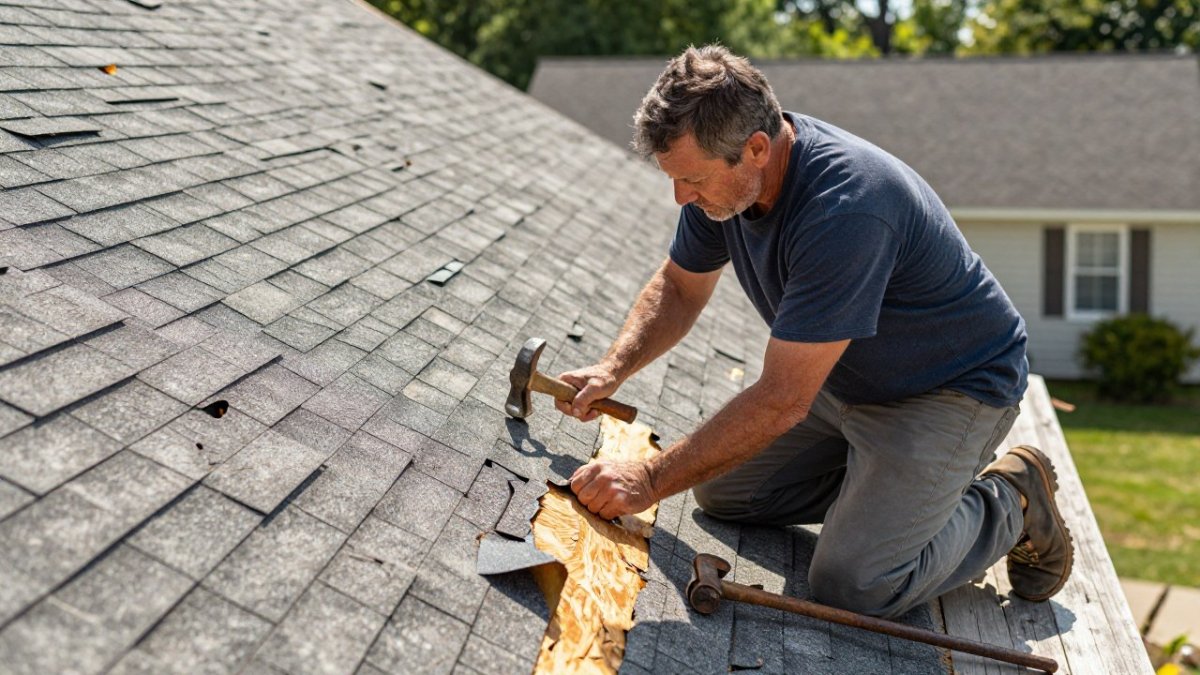
A targeted repair is often the cheapest path to a clean sale. If the roof has isolated problems, patching them before the inspection can prevent a buyer from demanding a full replacement.
Repairs make sense when you see:
- A few missing or cracked shingles
- Worn flashing around a chimney or vent
- Small leaks with no structural damage
Repairs don't make sense when the damage is widespread.
A common mistake is patching a roof right before listing to hide a bigger problem. Inspectors catch it, and it damages trust.
What an Old Roof Home Inspection Actually Reveals
An old roof home inspection reveals more than a buyer's untrained eye can see. A home inspector checks the shingles, flashing, gutters, attic ventilation, and the underside of the roof deck.
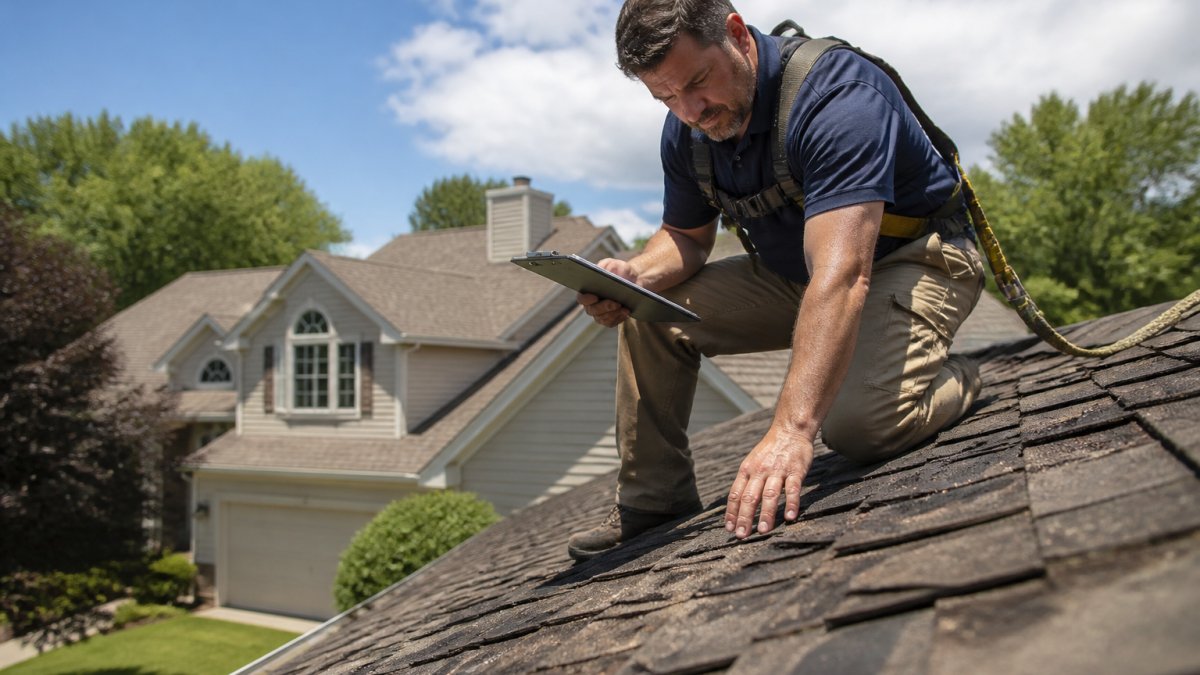
The inspection report typically flags:
- Missing shingles or granules in the gutters
- Active or past roof leaks and water stains
- Wear and tear from age or storm damage
What most sellers miss is that the report becomes a negotiation tool for the buyer. Every flagged item is a potential price reduction request.
Disclosing Roof Problems When Selling a House
Disclosing roof problems when selling a house is both an ethical duty and, in most states, a legal one. Nearly every state requires sellers to disclose known material defects, and roof leaks, active water intrusion, and storm damage almost always qualify. But the details, what form you use, what counts as "known," and what happens if you get it wrong, vary significantly from state to state.
How Disclosure Rules Vary
There is no single national disclosure standard. The general patterns are:
- Standard disclosure form states: Many states require a specific seller's property disclosure statement that includes direct questions about the roof, leaks, and prior repairs. You answer in writing, sign, and deliver it to the buyer.
- Common law or caveat emptor states: Some states rely more on common law fraud and misrepresentation rules than on a mandated form. Even there, actively concealing a known defect can expose you to liability.
- Federal overlay: Federal law requires disclosure of known lead-based paint hazards in pre-1978 housing, and that disclosure packet often sits alongside the state roof questions.
Because the rules differ, the practical move is to check your state's real estate commission or attorney general guidance before you list. State real estate commission and attorney general disclosure guidance
What You Should Disclose About the Roof
When in doubt, disclose. The cost of over-disclosing is almost always lower than the cost of hiding something the buyer later discovers. Items that commonly belong on a disclosure:
- Known roof leaks, past or present, and where they occurred
- Storm damage and any insurance claims filed for the roof
- Prior repairs, including who did them and when
If you don't know the roof's age, say so. "Unknown" is a valid answer. Guessing and being wrong is not.
Building a Roof Documentation File
A clean paper trail does two things: it satisfies disclosure obligations, and it gives buyers confidence that the roof has been cared for. Sellers who assemble this file before listing tend to have smoother inspections and fewer renegotiation requests. A practical checklist:
- Inspection reports, any professional roof inspection you've had, with photos and the inspector's findings
- Permits, copies of permits pulled for the original roof or any re-roof, available from your local building department
- Invoices, receipts from roofers, gutter companies, and anyone who worked on the roof
What Happens If You Don't Disclose
The consequences of hiding a known roof problem are concrete and expensive:
- The buyer can sue for misrepresentation or fraud, and may recover repair costs, diminished value, and in some cases attorney's fees.
- The sale can be rescinded in some circumstances, even after closing.
- Your real estate agent may face licensing consequences if they knew and participated in the concealment.
Disclosure as a Negotiation Tool, Not Just a Duty
Sellers often treat disclosure as a box to check. The better framing is that a well-documented disclosure puts you in control of the conversation. When you hand the buyer an inspection report, a permit history, and a warranty, you've defined the roof's condition before their inspector does. That tends to produce a credit request you can evaluate on the merits, rather than a demand driven by surprise.
Insurance and Financing: Why Buyers Walk Away From Old Roofs
Insurance and financing rules are the biggest reason an old roof home sale dies, and most sellers don't see it coming. Two things happen after a buyer makes an offer: their insurer reviews the roof, and their lender does too. Either one can end the transaction even when the buyer loves the house.
How Insurance Underwriting Actually Looks at a Roof
Insurers don't use a single national rule. Each carrier sets its own underwriting guidelines, and those guidelines often differ by state, by roof material, and by the insurer's appetite for risk in a given market. What most sellers miss is that roof age alone rarely determines eligibility. Underwriters weigh several factors together:
- Roof material: Asphalt shingles, metal, tile, and wood shakes each carry different expected service lives and different underwriting treatment.
- Age relative to expected lifespan: A 15-year-old architectural shingle roof may be fine; a 15-year-old three-tab roof may already be near the end of its rated life.
- Visible condition: Curling, missing shingles, granule loss, moss, or exposed fasteners can trigger a denial even on a younger roof.
When a carrier declines, the buyer has to shop for a surplus lines or high-risk policy. Those policies typically cost more, may exclude the roof, or may require a repair or replacement within a set window. If the buyer can't get acceptable coverage, they can't close, and that becomes your problem as the seller.
How Lenders and Appraisers Treat an Old Roof
Mortgage financing adds a second layer of scrutiny. Different loan programs have different tolerances:
- Conventional loans: The appraiser notes roof condition. If the roof shows active leaks or is near the end of its life, the lender may require repair or replacement before closing, or may require an escrow holdback.
- FHA loans: The FHA appraisal includes a roof inspection. A roof with less than a few years of remaining useful life, active leaks, or significant deterioration is commonly flagged as a required repair.
- VA loans: The VA's Minimum Property Requirements address roof condition and remaining life. A roof that won't last a reasonable period is typically a required repair.
A common pattern is that the appraiser flags the roof, the lender conditions the loan on repair, and the seller either fixes it, credits the buyer, or loses the deal. The buyer's loan type often determines how strict that conversation will be.
What Sellers Can Do Before the Buyer's Insurer or Lender Gets Involved
You don't have to wait for the buyer's underwriter to raise the issue. Sellers who get ahead of it usually keep more control over the outcome:
- Get a roof inspection before listing. A written report with photos gives you and the buyer a shared factual baseline.
- Ask your insurance agent how your current carrier views the roof. If your own carrier would decline to renew, that's a strong signal the buyer's carrier will too.
- Gather documentation. Permits, invoices, warranties, and maintenance records help the buyer's insurer and appraiser see the roof as maintained rather than neglected.
- Consider a roof certification.
- Price the risk in. If replacement isn't in the cards, a seller credit or price reduction lets the buyer choose their own contractor and financing.
A buyer who loves the house can still walk away, not because of the roof itself, but because the roof breaks their insurance or their loan. The sellers who close are the ones who find out early and decide deliberately.
Frequently Asked Questions
Can you sell a house with a 20-year-old roof?
Yes, you can sell a house with a 20-year-old roof. Many buyers will still make an offer, but the roof's age and condition will likely come up during the home inspection and negotiations. Asphalt shingle roofs typically last 20 to 30 years, so a 20-year-old roof may still have remaining useful life. The key is documenting its actual condition with a professional roof inspection, not just its age. If the roof is worn but not leaking, you may be able to negotiate a seller credit rather than paying for a full replacement before closing.
Should I repair or replace my roof before listing?
It depends on the roof's condition and your local market. Minor issues like a few missing shingles, small leaks, or worn flashing are often worth repairing before listing because the fix is affordable and removes a buyer objection. If the roof is near the end of its lifespan or has widespread damage, a full replacement may return more at closing than the cost. Get a professional inspection first, then compare repair costs against what a replacement could add to your sale price. In a competitive market, a newer roof can also speed up the sale.
Do sellers have to disclose an old or damaged roof?
In most states, yes. Seller disclosure laws require you to tell buyers about known material defects, and an active roof leak, storm damage, or structural problem usually qualifies. Roof age alone is not always a required disclosure, but hiding known damage can lead to legal trouble after closing. Rules vary by state, so check your state's disclosure form and consult a real estate attorney if you are unsure. When in doubt, disclose. Buyers who discover problems later are far more likely to walk away or sue.
Can a buyer get homeowners insurance with an old roof?
Sometimes, but it is not guaranteed. Many insurers will not write a new policy on a roof older than 20 years, or they may require an inspection first. Some carriers will insure an old roof only if it passes a roof certification showing at least 5 years of remaining useful life. Since most mortgages require homeowners insurance, a roof that cannot be insured can kill a sale. If you are selling with an old roof, ask your agent to confirm the roof is insurable before you list.