 How-to
Signs Your Roof Needs Replacing Soon: 8 Warning Signs
Table of Contents
- Why Catching Roof Damage Early Saves Money
- 1. Your Roof Is Nearing the End of Its Lifespan
- 2. Missing, Cracked, or Curled Shingles
- 3. Granule Loss and Bald Spots on Shingles
- 4. Leaks, Water Stains, and Attic Damage
- 5. Sagging Roofline or Soft Roof Deck
- 6. Storm, Wind, and Hail Damage
- 7. Moss, Mold, and Algae Growth
- 8. A Homeowner Roof Inspection Checklist
- Repair vs. Replacement: How to Decide
- When to Call a Professional
- Frequently Asked Questions
Last Updated: October 18, 2026
Why Catching Roof Damage Early Saves Money
Small roof problems rarely stay small. A lifted shingle or a thin patch of missing granules lets water in, and water finds the wood.
The math is simple. Catching a problem early keeps you in repair territory. Waiting pushes you toward full replacement, and replacement costs far more.
Here is what most guides get wrong: they list warning signs but never tell you what to do about them. We will.
1. Your Roof Is Nearing the End of Its Lifespan
Roof age is the first thing to check. Every roofing material has an expected service life, and once yours passes it, failure becomes a matter of when, not if.
Check your home's records for the install date. If you can't find it, a roof inspection can estimate age from the material's condition.
How Long Does a Roof Last by Material?
How long does a roof last? It depends on the material. Here is the general range we work with:
| Material | Typical Lifespan | Key Warning Sign |
|---|---|---|
| Asphalt shingles | 20-25 years | Granule loss, curling |
| Architectural shingles | 25-30 years | Lifted edges, bald spots |
| Metal | 40-70 years | Loose fasteners, rust |
| Tile | 50+ years | Cracked or slipped tiles |
| Wood shakes | 25-30 years | Rot, splitting |
A roof past its expected lifespan deserves a professional look, even without visible damage.
2. Missing, Cracked, or Curled Shingles
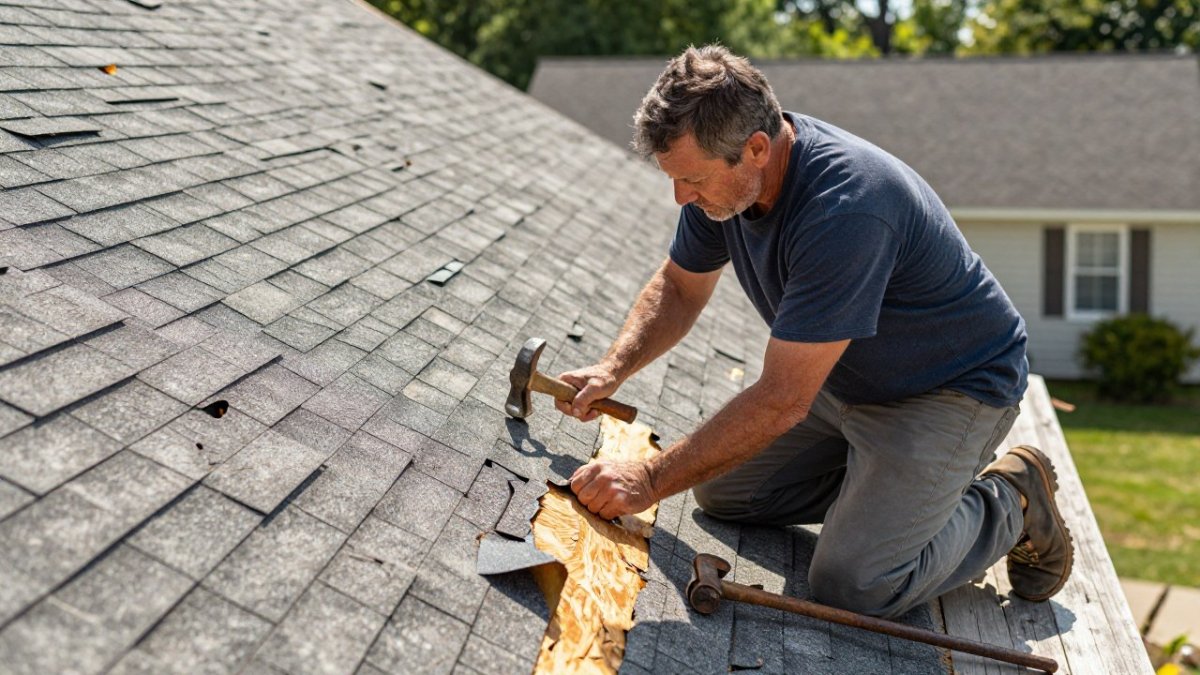
Shingles should lie flat and overlap cleanly. When they lift, curl, or crack, water gets underneath.
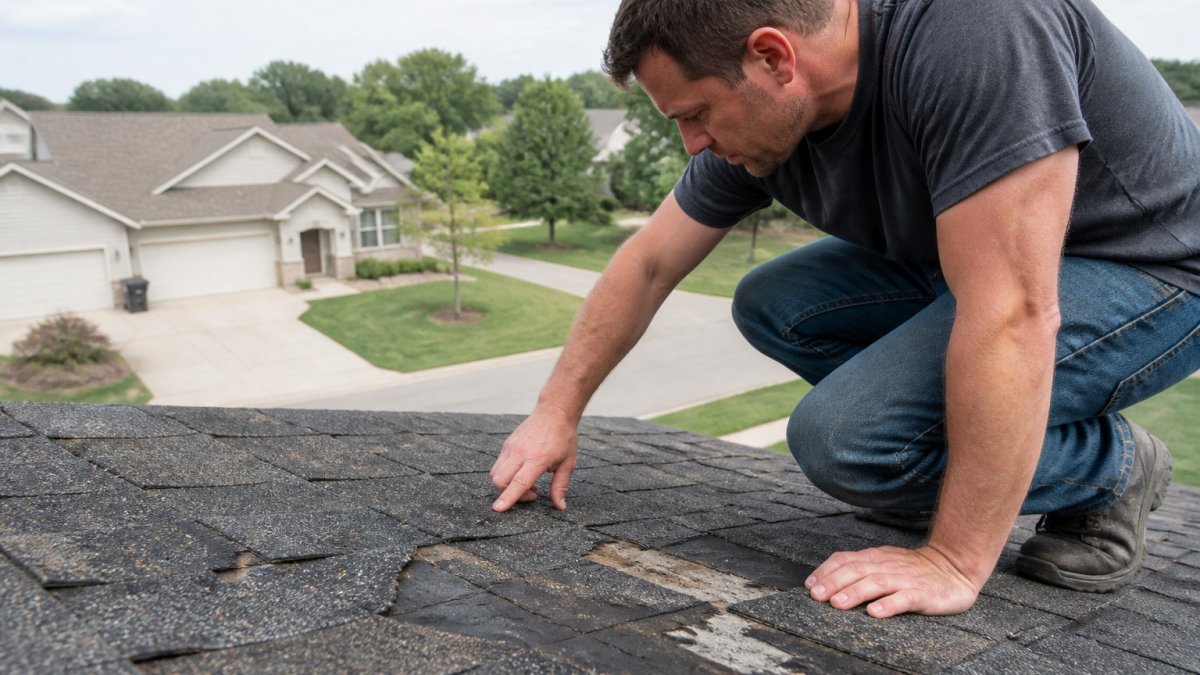
Look for shingles with curled edges, cracked surfaces, or missing pieces after wind. The adhesive strip that seals each shingle can fail with age, letting edges lift.
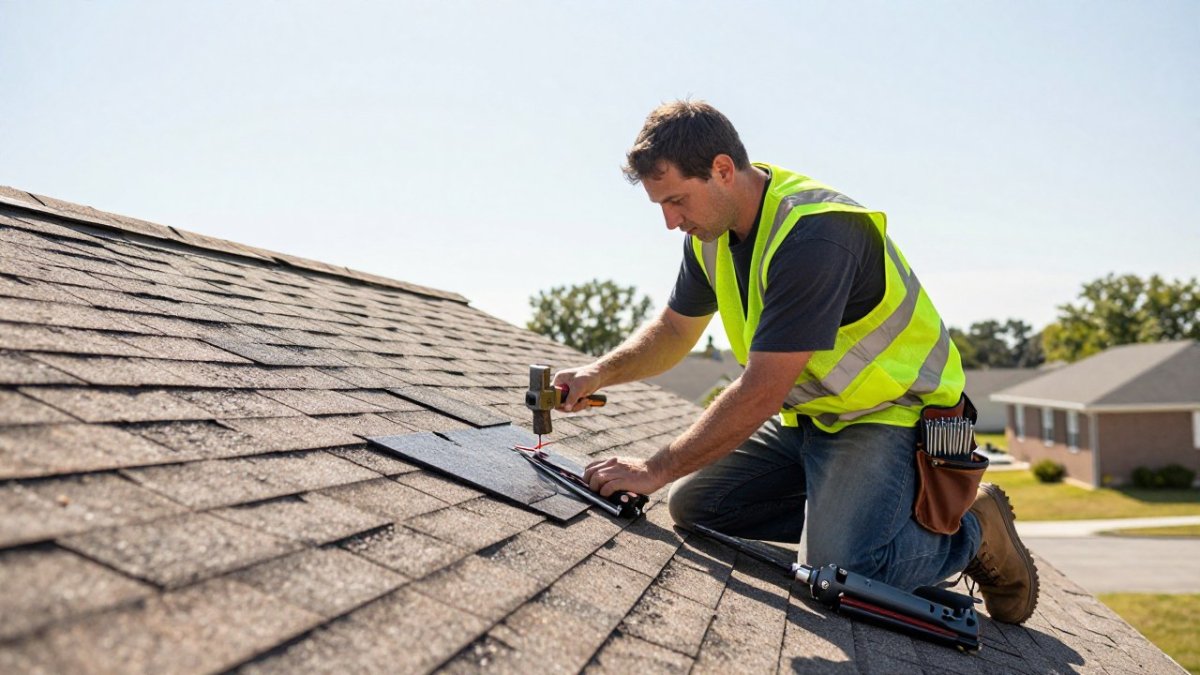
A few damaged shingles can often be repaired. Widespread curling across a slope usually signals the whole roof is failing.
3. Granule Loss and Bald Spots on Shingles
Asphalt shingles are coated in protective granules. These granules shield the asphalt from sun and weather.
When granules wear off, you'll see bald spots where the shingle surface looks smooth or dark. You may also find grit in your gutters or at the base of downspouts.
Granule loss means the shingle is breaking down. A few bare patches are worth watching. Widespread bald spots mean the roof is near the end of its life.
4. Leaks, Water Stains, and Attic Damage
A roof leak is the clearest sign of trouble.
Check your attic for water stains, dark streaks on rafters, or damp insulation. On the ceiling below, look for brown rings or bubbling paint.
Water intrusion travels. A stain on an interior ceiling can start several feet from the actual breach.
Small leaks can sometimes be repaired. Repeated leaks, or leaks in multiple spots, point to a roof that needs replacing.
5. Sagging Roofline or Soft Roof Deck
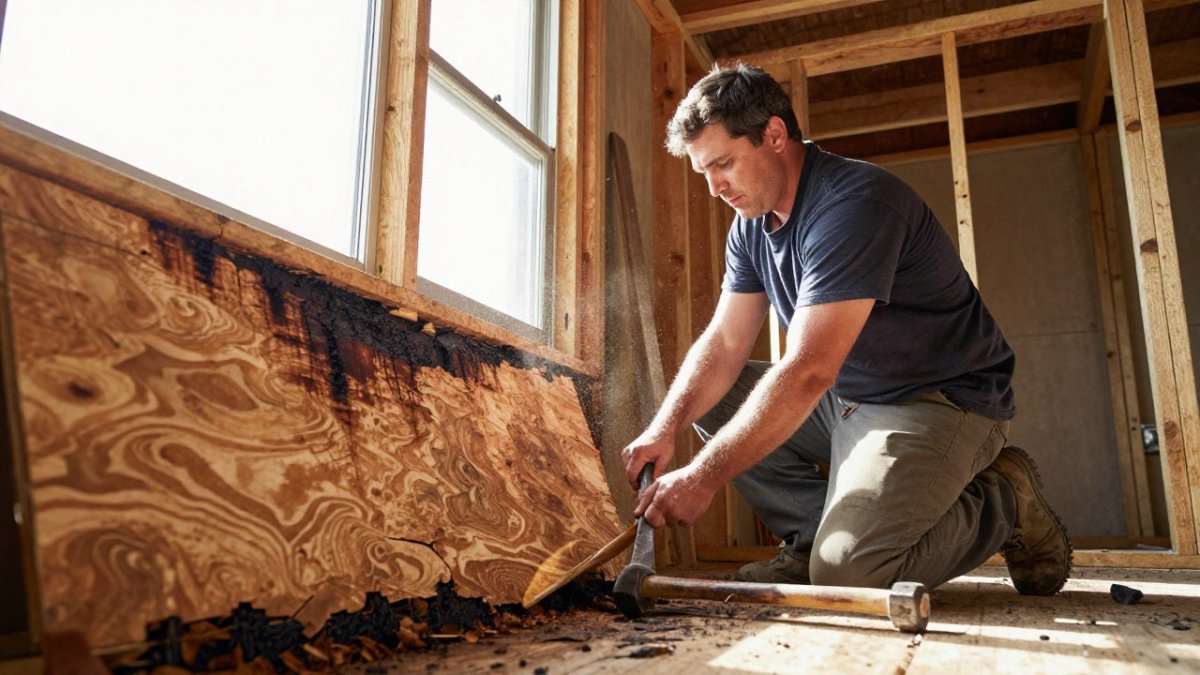
A sagging roofline is a structural warning. It means the roof deck underneath has likely taken on water and weakened.
From the ground, look along the ridge and eaves. The lines should be straight. Dips or waves suggest a problem.
Inside the attic, press gently on the decking. A soft or spongy feel means rot. This is one of the signs your roof needs replacing soon, not repairing, because the deck itself is compromised.
6. Storm, Wind, and Hail Damage
Storms leave marks. After a big weather event, check for:
- Missing or lifted shingles
- Dented or bruised shingle surfaces from hail
- Damaged flashing around chimneys and vents
- Debris impact marks
Hail damage is easy to miss from the ground. Dented shingles may look fine but lose their seal and fail later.
Document any storm damage with photos and dates. That record supports an insurance claim and helps a roofer assess the scope.
7. Moss, Mold, and Algae Growth
Growth on a roof holds moisture against the shingles. Moss especially traps water, and its roots work into the shingle surface.
Algae shows up as dark streaks. Mold appears as green or black patches in damp, shaded areas.
A little algae is mostly cosmetic. Heavy moss or mold means the roof stays wet too long, often because of poor roof ventilation. Fixing ventilation and clearing growth can help, but if the shingles are already soft, replacement is the safer call.
8. A Homeowner Roof Inspection Checklist
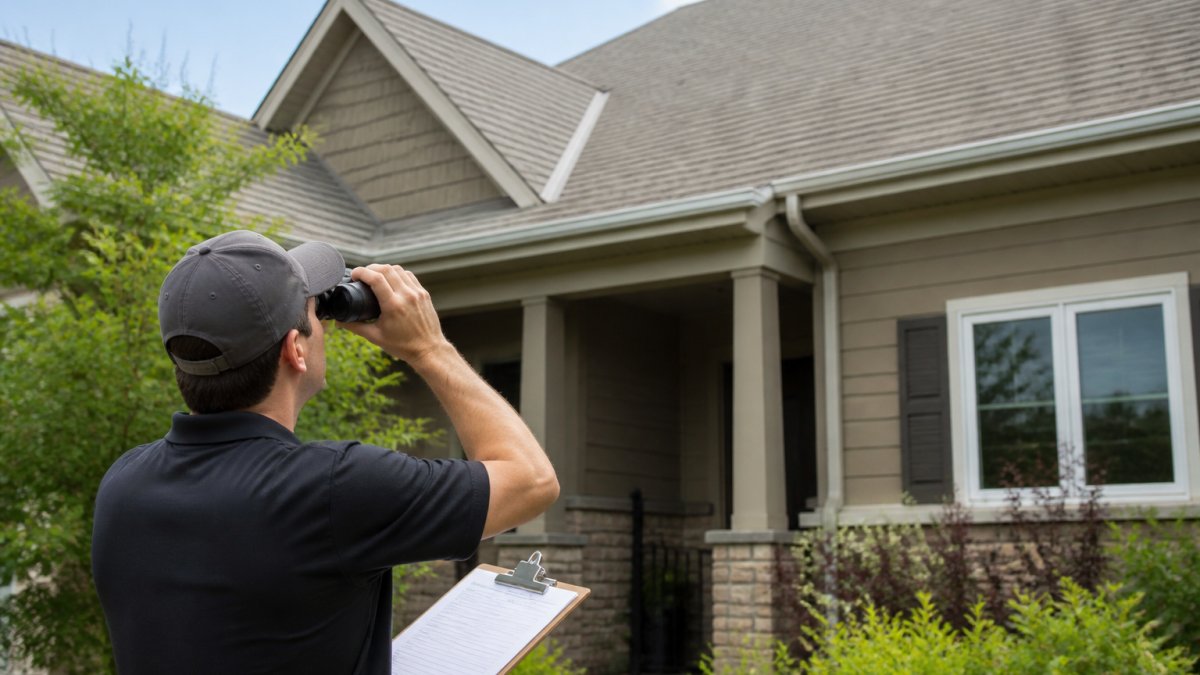
You can spot most warning signs safely from the ground and from inside your attic. The key is to inspect in a sequence that keeps you off the roof and helps you compare findings over time. Run through this checklist twice a year and after any major storm.
Step 1: Ground-Level Exterior Scan
Start at one corner of the house and walk the perimeter in one direction so you do not miss a slope. From the ground:
- Scan the roofline along the ridge and eaves for sags, dips, or waves
- Use binoculars to check for missing, curled, cracked, or lifted shingles
- Look for bald spots, dark patches, or smooth areas where granules are gone
- Inspect flashing around chimneys, vents, skylights, and where roof planes meet walls
- Check gutters and downspout bases for granule grit, shingle pieces, or debris piles
- Look for moss, algae streaks, or mold patches, especially on shaded slopes
- Note any rust, loose fasteners, or damaged panels if you have metal roofing
- Photograph anything suspicious with a date for your records
Step 2: Attic Interior Inspection
The attic shows what the exterior hides. Bring a flashlight and wear gloves. Do not step on insulation or ceiling joists that are not rated for foot traffic.
- Look for water stains, dark streaks, or drip marks on rafters and decking
- Check for damp or compressed insulation, which can signal a leak above
- Look for daylight showing through the roof deck, which means a gap or missing shingle
- Press gently on the decking with a screwdriver handle; a soft or spongy feel means rot
- Check for frost or condensation on the underside of the deck in cold weather, which points to ventilation problems
- Note any mold or musty odors, which suggest long-term moisture
Step 3: Interior Ceiling and Wall Check
- Scan ceilings and upper walls for brown rings, bubbling paint, or water stains
- Check around ceiling fixtures and vents for discoloration
- Look for cracks that follow drywall seams, which can appear when the roof structure moves
Step 4: Document and Compare
- Photograph your roof from the same spots each season
- Keep a simple log of dates, weather events, and what you saw
- Note whether a small issue is growing or staying the same
If any step turns up a structural sign, a spreading stain, or widespread shingle damage, stop and call a professional rather than continuing to monitor.
Repair vs. Replacement: How to Decide
Roof replacement vs. repair comes down to four questions: how old is the roof, how widespread is the damage, is the structure affected, and what material is on the roof? Competitors usually stop at a simple age threshold. A more useful framework weighs all four.
The Four-Question Framework
1. How old is the roof relative to its material lifespan?
A single age cutoff is misleading because materials age differently.
2. How widespread is the damage?
Isolated damage on one slope or around one penetration is usually a repair candidate.
3. Is the structure affected?
A soft or sagging roof deck, rot in rafters, or repeated leaks in multiple spots point to replacement.
4. What is the material and its repair profile?
Some materials are more repairable than others. Asphalt shingles can often be patched if matching shingles are available.
Repair vs. Replacement at a Glance
| Situation | Recommended Path |
|---|---|
| One or two damaged shingles, roof under 15 years | Repair |
| Isolated leak with intact decking | Repair |
| Roof past expected lifespan for its material | Replacement |
| Widespread granule loss or curling across slopes | Replacement |
| Soft or sagging roof deck | Replacement |
| Storm damage across one slope | Assess both |
| Repeated leaks in multiple spots | Replacement |
Urgency Levels and Immediate Actions
Not every sign carries the same urgency. Use this to decide how fast to act:
- Monitor: A little algae, a few bare patches, or one lifted shingle. Photograph and recheck in 30-60 days.
- Schedule an inspection: Curling across one slope, granule grit in gutters, or a small ceiling stain. Book a roofer within a few weeks.
- Act now: A sagging roofline, soft decking, spreading ceiling stains, or widespread missing shingles after a storm. Contact a roofer promptly and limit interior damage by placing buckets and moving valuables away from stains.
When in doubt, get a professional inspection. A roofer can tell you whether a repair will hold or just delay the inevitable, and can document the damage if you plan to file an insurance claim.
When to Call a Professional
Some signs you can watch. Others need eyes on the roof now. Call a professional if you see:
- A sagging roofline or soft decking
- Water stains spreading on ceilings or attic rafters
- Widespread missing or curled shingles
- Storm damage across a large area
- A roof past its expected lifespan
At Taylor-Made Roofing, we inspect the full roof and give you a straight answer on repair versus replacement. We also offer flexible financing through the PACE Program, Home Run Financing, and Enhancify, so a needed replacement doesn't have to wait on savings.
Frequently Asked Questions
How do you know whether a roof needs repair or replacement?
The decision usually comes down to age, extent, and spread. A single isolated leak or a few cracked shingles on a roof under 15 years old can often be repaired. If the roof is past its expected lifespan, damage covers more than about 30% of the surface, or you see sagging, granule loss, and multiple leaks at once, replacement is the safer call. Get a professional inspection before committing either way, since repair money spent on a failing roof is often wasted.
How long can you wait to replace a roof with missing or damaged shingles?
Small areas of missing shingles can sometimes wait a few weeks if you cover them and the forecast is dry, but exposed decking invites water intrusion fast. Curled, cracked, or granule-bald shingles across large sections mean the roof is already failing, and waiting through a storm season usually makes it worse. Treat any active leak, sagging, or daylight visible in the attic as urgent and schedule a roof inspection right away.
Can a roof leak mean the entire roof needs replacing?
Not always. A leak traced to failed flashing, a cracked pipe boot, or a single damaged shingle can often be fixed without a full roof replacement. The leak becomes a replacement signal when the roof is old, when water has spread into decking or insulation, or when leaks keep returning in different spots. A roof inspection checklist that checks attic staining, shingle condition, and flashing helps a contractor tell you which situation you're in.
What drives the average cost of roof replacement?
Most of the bill comes from roof size and pitch, material choice, the number of layers being torn off, and whether decking or flashing needs repair. Labor, local codes, and ventilation upgrades add to it. Because pricing depends on your specific roof, ask for a written itemized quote rather than a single number, and ask about financing options such as PACE, Home Run Financing, or Enhancify if upfront cost is the obstacle.
If you've spotted any of these signs, don't wait for the next storm to confirm it. A roof that's failing gives plenty of warnings, and acting on them early keeps small problems from becoming expensive ones. Taylor-Made Roofing provides professional inspections, quality workmanship, and financing options through the PACE Program, Home Run Financing, and Enhancify to make essential roof work accessible. Contact us to schedule an inspection and protect your home before the damage spreads.