 blog
How to Choose the Best Roofing Materials for Longevity
Last Updated: October 26, 2026
Quick Summary
The best roofing materials for longevity are slate, clay tile, and copper, which can each serve a home for a century or more. We help homeowners weigh that staying power against budget, structure, and climate by comparing real lifespan ranges and lifecycle cost rather than sticker price alone.
- Slate, clay tile, and copper each carry typical lifespan ranges of 70 to 100+ years.
- Published lifespan ranges assume proper installation, correct attic ventilation, and routine maintenance.
- Compare materials by dividing total cost by years of service instead of upfront price.
- Slate and tile are repairable piece by piece but require specialist labor and matching aged material.
- Metal roofing, especially copper and steel, is commonly recycled at end of life and has scrap value.
Table of Contents
- How to Compare the Best Roofing Materials for Longevity
- Roofing Materials Lifespan: What the Numbers Actually Mean
- Slate, Clay, and Concrete: The Century Club
- Metal Roof Lifespan: Steel, Copper, and Zinc Compared
- Asphalt, Wood, and Composite: Shorter Lifespans, Lower Upfront Cost
- Roof Replacement Cost vs. Lifecycle Cost: What Homeowners Miss
- Roof Maintenance Tips That Extend Any Material's Service Life
- Plan Your Roof Replacement with a Professional Assessment
- Frequently Asked Questions
How to Compare the Best Roofing Materials for Longevity
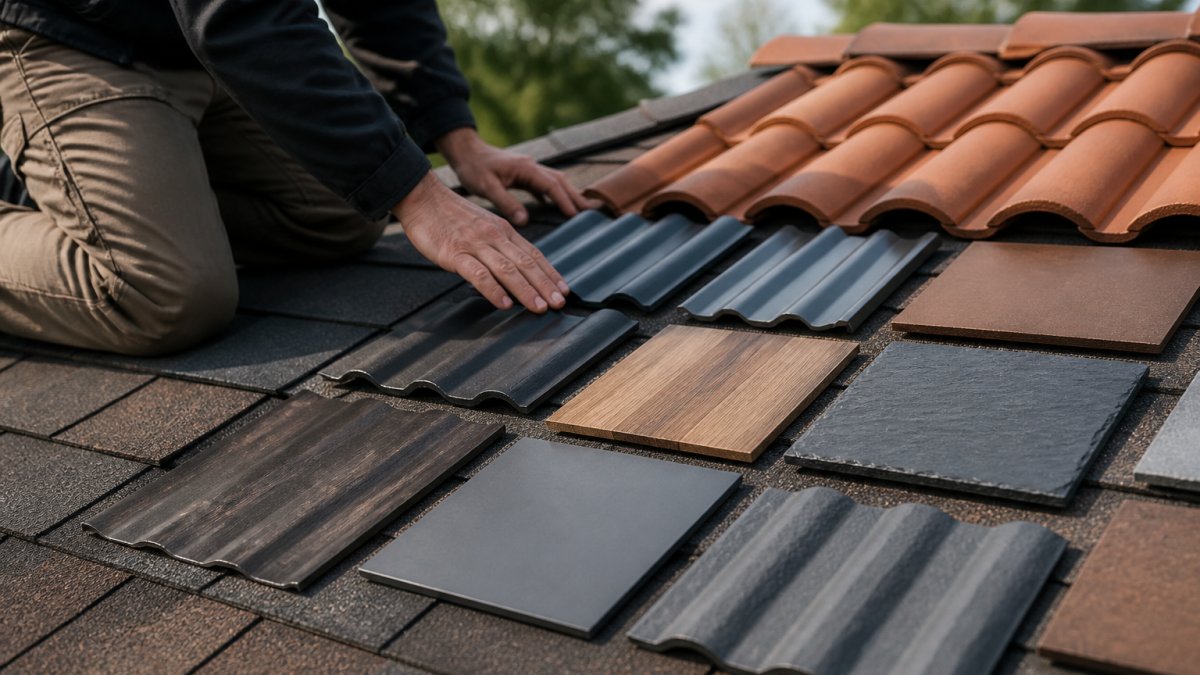
The best roofing materials for longevity are slate, clay tile, and copper, which can each serve a home for a century or more. We help homeowners weigh that kind of staying power against budget, structure, and climate.
Longevity is not a single number. It is a range shaped by installation quality, roof pitch, ventilation, and local weather. A material rated for 50 years can fail in 25 if it sits on a poorly vented deck.
U.S. Department of Energy roofing materials guide
Roofing Materials Lifespan: What the Numbers Actually Mean
A roofing materials lifespan figure is a best-case estimate, not a promise. Manufacturers publish ranges that assume proper installation, adequate ventilation, and routine maintenance. Miss any of those, and the real service life drops.
Lifespan Ranges and the Assumptions Behind Them
Most published ranges rest on three assumptions: the roof was installed to manufacturer specification, the attic is vented correctly, and the homeowner keeps up with minor repairs. Here is how the major categories compare on service life.
| Material | Typical Lifespan Range | Assumption Behind the Range |
|---|---|---|
| Slate | 75 to 100+ years | Structural framing supports the weight |
| Clay tile | 50 to 100+ years | Proper fastening for seismic and wind loads |
| Copper | 70 to 100+ years | Correct soldering and patina tolerance |
| Concrete tile | 40 to 75 years | Freeze-thaw cycles stay moderate |
| Standing-seam steel | 40 to 70 years | Coating integrity holds |
| Asphalt shingles | 15 to 30 years | Good attic ventilation |
| Wood shake | 25 to 40 years | Regular treatment and cleaning |
| Composite/synthetic | 30 to 50 years | Manufacturer installation specs followed |
Read those ranges as ceilings, not averages. The gap between the top and bottom of each range is usually installation and maintenance.
Slate, Clay, and Concrete: The Century Club
Slate, clay, and concrete earn the "longest-lasting" label because they resist sun, rot, and fire without breaking down chemically. Slate roofing is quarried stone, so it does not degrade from UV exposure the way petroleum-based products do.
Concrete roof tiles behave similarly at a lower price point, though they are heavier and can crack under freeze-thaw stress. The catch with all three is structural.
- Pros: exceptional durability, fire resistance, strong curb appeal, low maintenance once set
- Cons: heavy, expensive to install, repairs require a specialist, brittle under foot traffic
Metal Roof Lifespan: Steel, Copper, and Zinc Compared
Metal roofing durability depends on the metal and its coating. Steel panels with a quality finish resist weather and fire well, while copper and zinc develop protective patinas that let them outlast most other options.
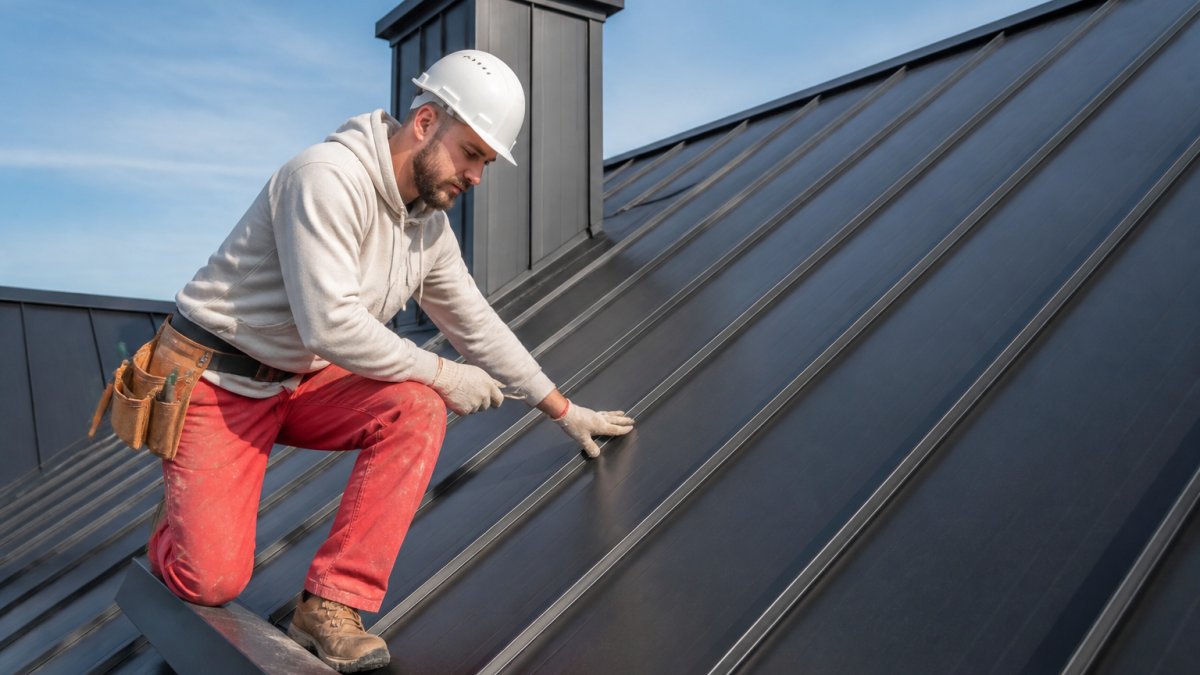
The trade-offs are noise, denting from hail on lighter gauges, and cost. Copper and zinc sit at the high end; painted steel is more accessible.
- Pros: long service life, energy efficiency, low weight, recyclable at end of life
- Cons: higher upfront cost, hail sensitivity on thin panels, expansion and contraction needs proper fastening
Asphalt, Wood, and Composite: Shorter Lifespans, Lower Upfront Cost
Asphalt shingles remain the most common choice because they cost the least to install. Their roof lifespan runs shorter than stone or metal, but the lower entry price makes them practical for many budgets. Wood shake shingles offer a natural look and decent storm protection but need treatment and cleaning to reach the top of their range. Composite and synthetic shingles split the difference, mimicking slate or shake at a fraction of the weight and cost.
- Pros: lowest upfront cost, fast installation, easy to repair
- Cons: shorter service life, more frequent replacement, wood needs ongoing upkeep
Roof Replacement Cost vs. Lifecycle Cost: What Homeowners Miss
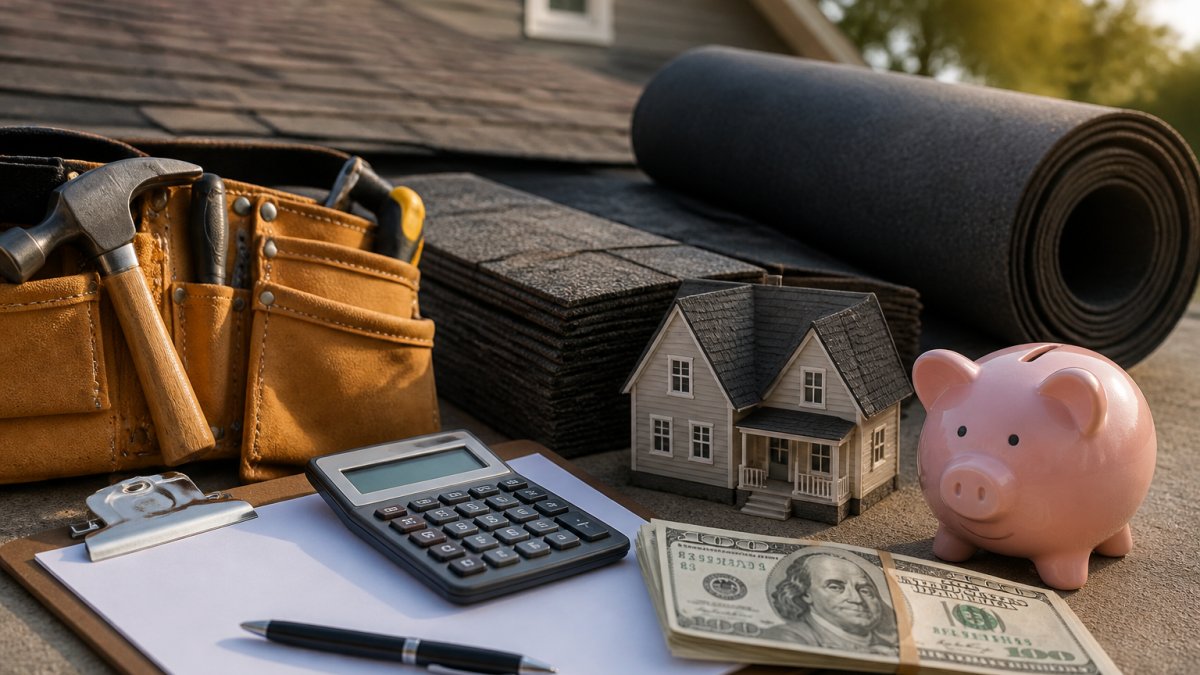
The biggest mistake homeowners make is comparing materials on upfront price alone. A slate roof and an asphalt roof are not the same purchase at different prices, they are different ownership timelines. Lifecycle cost puts them on the same footing by dividing total spend by years of service, so you can compare a 25-year roof against a 75-year roof honestly.
How to Run the Math
Use a shared time horizon, typically the longer of the two lifespans you are comparing, or the number of years you expect to own the home. Then add four cost buckets for each material:
- Purchase and installation, material plus labor, including any structural reinforcement, underlayment upgrade, or tear-off required by the material's weight or fastening method.
- Routine maintenance, annual or biannual inspection, debris clearing, treatment (wood), coating refresh (painted metal), and minor repairs.
- Mid-life repairs, flashing, valley, and penetration fixes; hail or wind damage not covered by insurance; and the cost of finding specialized labor for slate, tile, or copper.
- Replacement or major restoration, the second (or third) roof you will buy inside the horizon, plus the disruption of another tear-off.
Divide the total by the years in the horizon to get cost per year. The material with the lower cost per year is the better long-run value, even if its sticker price is several times higher.
A Worked Example (Illustrative)
Exact figures vary by region, roof size, pitch, and access, so treat this as a method, not a quote. Suppose you are choosing between a 25-year asphalt roof and a 75-year slate roof on the same home, and you plan to stay 30 years:
- Asphalt: one full installation now, a second full replacement around year 25, plus routine maintenance and a handful of storm repairs. Two installs and two tear-offs inside the horizon.
- Slate: one installation now (higher, and possibly including framing reinforcement), plus routine maintenance and a few slate replacements. One install inside the horizon.
The asphalt option looks cheaper on day one. Spread over 30 years, the slate option often lands at a comparable or lower cost per year, and it avoids the second tear-off, the second dumpster, and the second round of landscaping damage. Homeowners planning to sell in five to seven years may still prefer the lower upfront option; those staying put usually come out ahead with the longer-lived material.
You can pull current replacement figures from our average cost of roof replacement breakdown before you run the math. Pair that with the lifespan ranges above and you have the two inputs the calculation needs.
Roof Maintenance Tips That Extend Any Material's Service Life
Every material lasts longer with basic care, but the care is not the same across categories, and how a material can be repaired when something does go wrong is just as important as how you maintain it. This section covers both, because repairability and end-of-life options are where longevity claims meet real ownership.
Material-Specific Care
- Slate: inspect after freezes and storms for cracked or slipped slates; replace individual pieces promptly so water does not reach the underlayment. Avoid walking the roof, slate is brittle under foot traffic.
- Clay and concrete tile: check for cracked tiles and displaced pieces after wind events; keep valleys clear so water does not back up under tile. Concrete tile benefits from periodic inspection of the freeze-thaw-sensitive edges.
- Metal (steel, copper, zinc): clear debris from panel seams and fasteners; touch up coating nicks on painted steel to prevent corrosion; let copper and zinc patina naturally rather than polishing.
Repairability: Can You Fix a Section, or Do You Replace the Roof?
This is a decision criterion most lifespan tables skip. A material that can be repaired in small sections spreads its cost over decades; a material that requires full replacement concentrates it.
- Slate and tile are among the most repairable in principle, individual pieces can be swapped, but the work requires a specialist, and matching aged material can be difficult. Expect higher per-repair labor even when the repair is small.
- Metal panels can often be replaced or re-fastened in sections, and standing-seam systems are designed for localized repair.
- Asphalt shingles are easy and cheap to patch, which is part of why they remain common despite shorter lifespans.
End-of-Life: Reuse, Recycle, or Landfill
Longevity and end-of-life are linked. A roof that lasts 75 years but cannot be recycled has a different environmental profile than one that lasts 50 and can be. Metal roofing, especially copper and steel, is commonly recycled at end of life and has scrap value. Slate can sometimes be salvaged and reused. Asphalt shingles are increasingly accepted in recycling programs but still largely go to landfill in many markets.
Ventilation and Inspection
Ventilation matters as much as surface care. A hot, damp attic cooks shingles from underneath and shortens service life across every category. If you notice curling, granule loss, or recurring leaks, those are signs maintenance is losing ground. Our guide to the warning signs your roof needs replacing walks through what to watch for.
Plan Your Roof Replacement with a Professional Assessment
Lifespan tables get you close, but only an on-site inspection tells you what your specific roof can carry and how your climate will treat each material. A professional assessment checks framing, decking, ventilation, and existing damage, then matches options to your budget and timeline.
Taylor-Made Roofing provides quality roofing solutions built to protect your home, and we offer flexible financing through the PACE Program, Home Run Financing, and Enhancify so essential roof work fits your budget. If you are ready to compare materials with real numbers instead of guesses, book a professional roof inspection and get a clear plan.
Frequently Asked Questions
Which roofing material lasts the longest?
Slate and clay tile hold the record, often lasting 50 to 100+ years when installed on a roof structure that can carry their weight. Metal roofing is close behind, with copper and zinc reaching 70 to 120 years in the right climate. Asphalt shingles, the most common choice, typically last 15 to 30 years. The longest-lasting material for your home depends on structural support, climate, and budget, so an on-site assessment matters more than a generic ranking.
Do metal roofs really last longer than asphalt shingles?
Yes, in most cases. Metal roof lifespan commonly runs 40 to 70 years for steel and longer for copper and zinc, while asphalt shingles average 15 to 30 years. Metal also resists fire, wind uplift, and storm damage better. The trade-off is a higher upfront roof replacement cost and the need for experienced installers who understand panel expansion and fastener placement. Ask for a written warranty that separates finish coverage from structural coverage.
How much does a long-lasting roof cost to install?
Roof replacement cost varies widely by material, roof size, pitch, and local labor. Slate and clay tile carry the highest upfront cost because of material weight, specialized labor, and structural reinforcement. Metal sits in the middle to upper range. Asphalt is the least expensive upfront but needs replacing sooner. Request a written quote and ask about financing through PACE, Home Run Financing, or Enhancify.
Can roof maintenance tips help a roof last longer?
Regular maintenance extends service life for every material. Clear debris from valleys and gutters, trim overhanging branches, and schedule annual inspections, especially after major storms. Replace cracked or missing shingles promptly and keep moss off wood and asphalt. For metal roofs, check fasteners and sealant at penetrations every few years. A maintained asphalt roof can reach the top of its range, and a neglected slate roof can fail decades early.
Choosing a roof is a long-term decision, and the right material depends on your structure, climate, and how long you plan to stay. Taylor-Made Roofing can assess your roof and match you with an option that balances durability and cost, backed by financing through the PACE Program, Home Run Financing, and Enhancify. Get started with Taylor-Made Roofing and secure a roof built to last.